
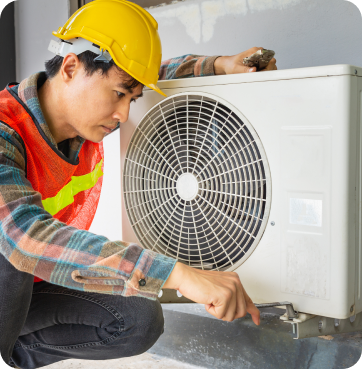
Air Filters
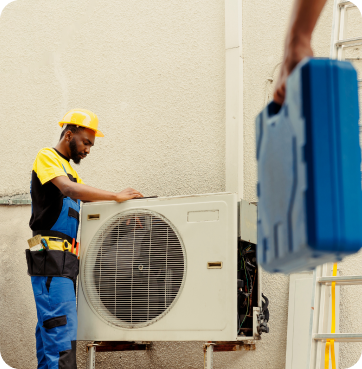
Evaporator and Condenser Coils
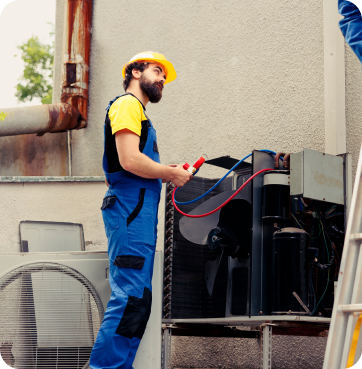
Fan Blades and Motors
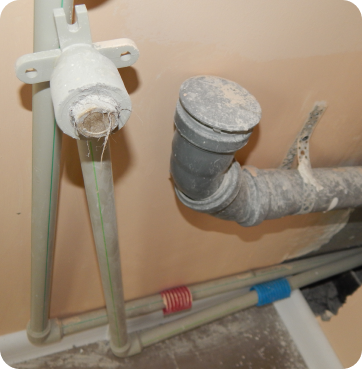
Condensate Drain Lines
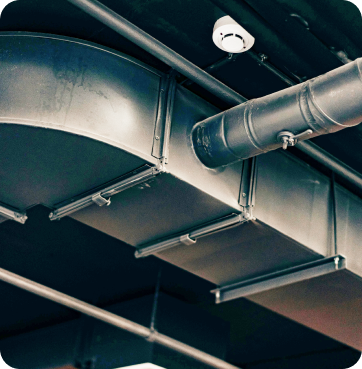
Ductwork
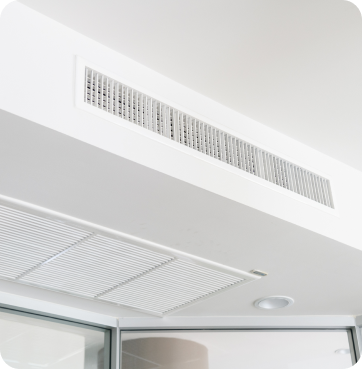
Grilles and Registers
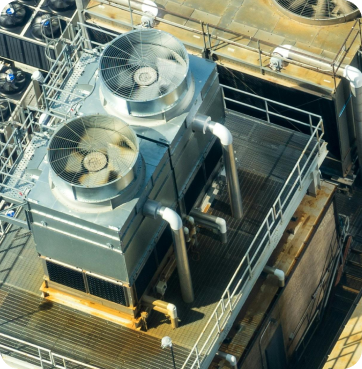
Refrigerant Lines
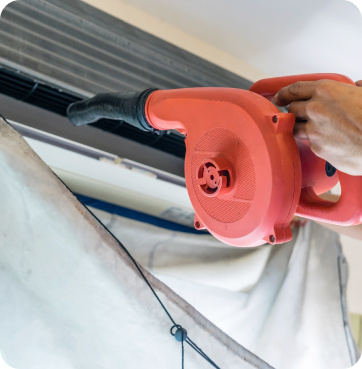
Outdoor & Indoor Units
Thermostat
Refrigerant Leaks
Compressor Issues
Fan Motor Problems
Thermostat Malfunctions
Blower Motor Issues

Capacitor Failures
Electrical Problems
Condenser Coil Problems

Evaporator Coil Issues
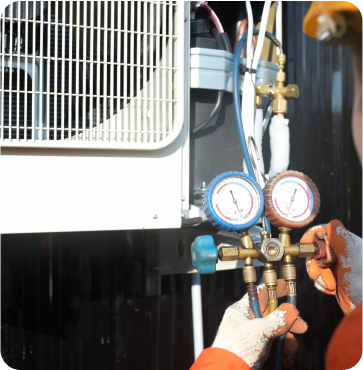
Expansion Valve Problems
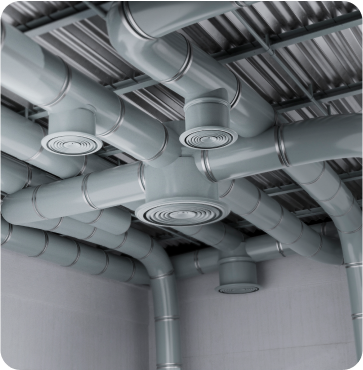
Ductwork Issues
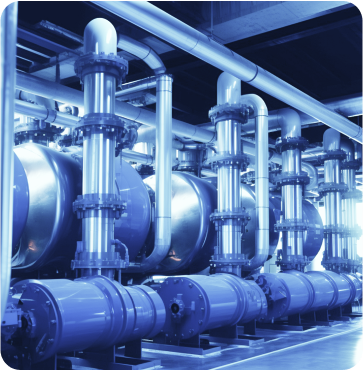
Heat Exchanger Problems
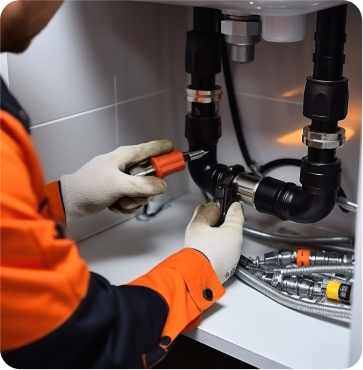
Water Leaks
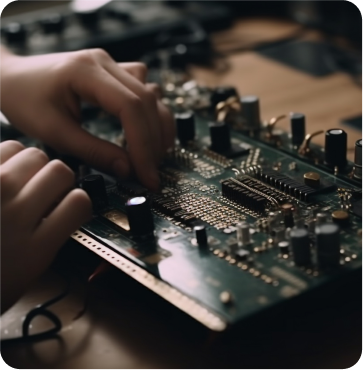
Control Board Issues
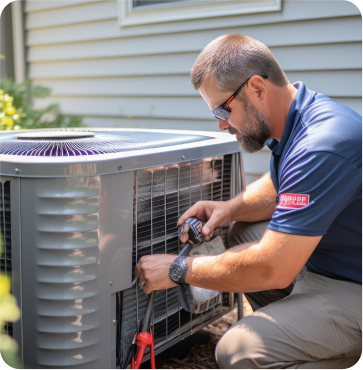
Airflow Problems
No heat tonight? Emergency heating repair on Long Island, answered now
The number for emergency heating repair is 631-710-6257, and it is covered every day and every night of the year, holidays included. Across Suffolk and Nassau County a technician is typically on site within 90 minutes.
Check this before you call anybody
If you can smell gas, or a carbon monoxide alarm is sounding, this is not a heating call yet. Get everyone out of the house, pets included. Do not stop to find the source, do not switch anything on or off, and do not phone from inside. From outside and away from the building, call 911 or your gas utility's emergency line, which is printed on your gas bill. Utilities treat a suspected gas leak as an emergency and come out for it. Call us once the house has been checked and cleared.
Emergency line covered every day of the year
Typically on site within 90 minutes
Gas and electric furnaces, gas boilers, heat pumps
Licensed and insured, on Long Island since 1999
Five things to check, and where checking stops
No tools, no panels off. It takes a few minutes and often enough it ends the call before it starts. The list runs from the likeliest fault to the least likely.
The thermostat
Set to heat, with the target above what the room reads. A blank screen is usually dead batteries, and a fresh pair often brings the system back.
The switch that looks like a light switch
A plain wall switch beside the furnace or boiler, or at the top of the basement stairs, turns the heat off. Painters, cleaners and anyone hunting a basement light flip it.
The breaker, once
Reset the breaker for the heating equipment one time. If it trips again, leave it off and say so when you call. A breaker that will not hold is reporting something real.
The filter, if you have warm air vents
Hold it up to a light. If nothing comes through it is choking the furnace, and a furnace starved of air shuts itself down instead of overheating. A clean one goes in facing the same way.
Gas, from across the room
If the stove lights and the hot water is hot, gas is reaching the house and the fault is in the appliance. If nothing gas fired works anywhere, that is a utility question first. Do not open a valve or light anything.
Everything past that belongs to a technician. No pressing a reset button twice, no bridging a switch that has tripped, no opening a burner compartment or an electrical panel. A safety shut the heat down for a reason, and putting the appliance back into whatever tripped it is how a cold night gets worse. Step by step diagnosis sits on the furnace repair and boiler repair pages, and emergency heating repair starts from what you can tell us after those five checks.
Tonight, or the morning? Four questions.
Not every no-heat call is an emergency, and a contractor who says otherwise at ten at night is selling. Plenty of faults can be booked for eight in the morning and you lose nothing but a cold evening. A few cannot wait, and almost none of those are about how cold anybody feels. This is the question emergency heating repair turns on.
Four answers are possible, and two are not a call to us
One sends you outside to the gas utility. One tells you to go to bed and call in the morning. Nothing here is weighted toward a night visit.
Stop. Nobody should be inside while that is happening
Get everyone out, pets included, and go clear of the building. Do not look for the source, do not switch anything on or off, and do not call from inside. From outside, call 911 or your gas utility's emergency line, printed on your gas bill. Utilities treat a suspected gas leak as an emergency and come out for it. Call us once the house has been cleared.
This one is not waiting for the morning
What you have described puts a person or the plumbing at real risk if the house keeps falling. Call 631-710-6257. While you wait: everyone into one interior room with the doors shut, cabinets open under sinks on outside walls, a thin trickle at the furthest faucet. If a faucet has already stopped, find the main water shutoff first. If anyone seems confused, unusually clumsy, or has stopped shivering, call 911.
It is freezing outside, so the plumbing sets the deadline
The house will keep falling all night, and the water in the pipes is what makes that urgent, not how cold anybody feels. Call 631-710-6257 and get it booked, then spend the wait keeping what heat is left where the pipes are. The list is below.
This one can honestly wait until morning
Nothing you have described is at risk overnight. It is not freezing outside and nobody in the house will struggle with a cold night, however cold it feels by morning. That is miserable, not urgent, and you get a better repair in daylight with a supply house open. Call first thing, and before bed switch the system off at the wall switch instead of leaving it trying all night.
Three things change this answer: the house getting genuinely cold, the temperature dropping below freezing, or anyone feeling the cold more than they should.
How a house loses heat overnight, and where the water is
A house does not go cold the way a room does when a window opens. It coasts: everything solid in it has been at room temperature since morning and has to give that heat up first. Then it loses the help it had, because cooking, lights, showers and bodies in rooms were adding heat while you were awake. A house that felt tolerable at ten is a different house at four.
What sets the pace in your house
Wind matters more than the forecast number. It drives cold air through every gap a house has, which is why two identical houses on one street lose heat at different rates.
Insulation and air sealing decide most of it. An attic that has been done and newer windows coast a long way. A postwar cape on its original storm windows does not.
A house warm all evening begins higher than one already on a setback, or one empty since Friday.
The thermostat hangs in the warm middle of the house, the least useful place to read. Judge from the coldest room instead.
Where it stops being about comfort
Comfort is the first thing you lose and the least important. The moment that counts arrives later, when the spaces carrying water head toward freezing. People adapt and put a layer on. A pipe cannot. Pipes reach the temperature of the space they run through, not the temperature outside, so the order is set by the house: outside walls, under sinks on an exterior wall, unheated crawl spaces and garages, and the run out to a hose bib.
If you think one has already frozen
A faucet giving a trickle while the others still run means the ice is in one line. Leave it open so meltwater has an exit, keep the main shutoff within reach, and never put a torch, a heat gun or any flame near a pipe. A split pipe does not leak while it is frozen. It leaks when it thaws, at full pressure, usually into a ceiling. That one is a job for a plumber, not for us. What we can do is get the heat back on, which stops the next one going the same way.
What to do about the pipes tonight
- Open the cabinet doors under every sink on an outside wall.
- Set a thin trickle running at the faucet furthest from where the water comes in, hot side and cold. Moving water is harder to freeze, and an open faucet gives expanding ice somewhere to push instead of splitting the pipe.
- Open the interior doors, and the basement or crawl space door if there is exposed pipe down there.
- Shut the garage door, and stop opening the front door to look at the weather.
- Find the main water shutoff and check that it turns.
Getting through the night without making it worse
Most of a cold night is survivable and unpleasant. What turns it into something else is improvised heat, and the same three ideas put people in hospital every winter.
Never heat a house with the oven or the stove
A gas oven left open, or burners running for warmth, puts combustion products into the kitchen with nothing venting them. Carbon monoxide has no color and no smell, and it makes people sleepy before it alarms them. An electric oven is a fire risk instead. Neither is heating. Cooking is different: a range used briefly to cook a meal, hood on, is being used for what it is for. Left burning for warmth it is the thing in this paragraph.
Never run a generator indoors, in a garage, or near the house
That includes a garage with the door open, a porch, a basement and a breezeway. A generator belongs well away from the building, exhaust pointing away from every door, window and vent.
Never bring outdoor burning equipment inside
Patio heaters, camp heaters, propane and kerosene units built for a job site, charcoal, any grill. They are made to burn where the air supply is unlimited and nothing vents them. A garage counts as indoors.
One interior room with the fewest outside walls, everyone in it, doors shut on the rest. A small volume with people in it holds warmth far better than a house.
Thin layers hold more than one thick one, hats do more than people expect, and blankets on a sofa in the middle of the house beat a bed on an outside wall.
Hot food and hot drinks do more for a cold body than they get credit for. Cook something, eat it hot, and fill a flask before the kitchen goes cold as well.
One or two are a reasonable stopgap. Straight into a wall outlet, never an extension cord or power strip, clear space around them, not left running while everybody sleeps.
Infants and older adults lose heat faster and notice it later, and so does anyone unwell or on certain medications. Confusion, clumsiness or shivering that stops is a 911 call.
If the house is not going to hold, leaving is a good answer. We would rather arrive to an empty house with the water protected than a family sitting it out.
What happens when you call, and when the truck gets there
Two things worth knowing before you dial an emergency heating repair line at this hour: what you will be asked, and what you should expect to hear back.
The address, and how a technician reaches the appliance after dark: gate, dog, side entrance, whether anyone is home. What the system is, which is easy even if you have never named it. Radiators or baseboard means a boiler; warm air vents mean a furnace or heat pump. Then what it does when the thermostat calls.
You get a window, not a promise. How long depends on where the nearest truck is, the weather and the roads. Typical on-site response across Suffolk and Nassau County is within 90 minutes, and if the window moves you get told.
Leave a light on where the appliance is and clear a path to it. A basement stacked with boxes in front of a boiler costs real time at two in the morning.
What you should hear before the truck leaves
One plain answer to the only question that matters at one in the morning: is the heat coming back tonight, and if it is not, can the people in this house stay in it. Sometimes the answer is that the appliance stays off until a part arrives, because a safety is holding it off and no technician should push one past a safety to get a house through a night.
When that is the answer, the rest of the visit goes on the house instead of the machine: which rooms to close, what the plumbing needs before everyone goes to bed, and whether anybody should be somewhere warmer tonight.
Why it fails on the coldest night, and what to do about the next one
Two weeks of the year account for most of these calls, and four things are behind almost all of them. Worth knowing before one of those weeks arrives.
A weak igniter, a tired capacitor, a circulator with worn bearings, a flame sensor carrying a film: all survive the short cycles of November. Give the appliance a night running most of every hour and the marginal part gives up.
A high efficiency furnace or boiler vents through plastic pipe out through a sidewall, low down. Snow, a plow bank or ice off a roof edge covers it, the appliance cannot prove it is drawing air, and it shuts down.
The same equipment makes water while it runs, and that water has to drain. When the line crosses a cold garage or an outside wall it freezes, backs up, and trips the appliance off.
A gas boiler with no electricity has no circulator and no controls, and a gas furnace has no blower. An outage takes the heat out of a house with a full gas meter and a healthy appliance.
Making the next one less likely
One thing moves the odds, and it is unglamorous: have the equipment serviced before the season, not during it. The parts that give up in January are the ones a technician cleans in October. Gas boiler maintenance covers what an annual visit involves.
The other is capacity. A system that was always slightly undersized, or one sized before the house grew a dormer and an addition, runs flat out on the coldest nights and never quite gets there. Nothing has broken, and nothing gets solved at midnight. It gets solved with a load calculation in the spring, which is where the heating category starts.
Emergency heating questions, answered plainly
It is the middle of the night. Do I really call now, or wait until morning?
The triage above answers it properly. The short version: anyone who will struggle with a cold night, freezing weather outside, or a house already too cold to sit in makes it tonight. None of those, and the morning is fine.
Do you actually cover nights, weekends and holidays?
Yes. Emergency heating repair cover runs every day of the year, holidays included, with the same on-call technicians all year. Quotes, replacements and planned work run Monday to Friday, 8am to 5pm.
How fast can somebody actually get here?
Typical on-site response across Suffolk and Nassau County is within 90 minutes. What moves it is where the nearest truck is, the weather and the roads. You get a realistic window on the phone, not a number meant to stop you calling around, across the towns we serve.
The cold does not bother me. Is there anything I should still worry about?
The pipes, and mostly only the pipes. You can put a coat on and go to bed in a cold house safely. A water line in an outside wall cannot, and a pipe that splits stays quiet until it thaws, then lets go at full pressure into a wall or a ceiling. If it is freezing outside, open the cabinets under sinks on outside walls, run a thin trickle at the furthest faucet, and know where the shutoff is.
What kinds of heating do you work on, and what if it is a business rather than a house?
Gas and electric furnaces, gas boilers and hot water heat, and heat pumps, which covers nearly everything in Suffolk County houses. For a store, an office or a restaurant, read emergency HVAC repair for commercial buildings instead.
Tell us what the house is doing
The address and how to reach the appliance, what the system is, what it does when the thermostat calls, and whether anyone in the house is at risk from the cold. That is enough to start an emergency heating repair from. If it can wait until morning you will be told that and booked for the morning. If it cannot, a technician is on the way.