
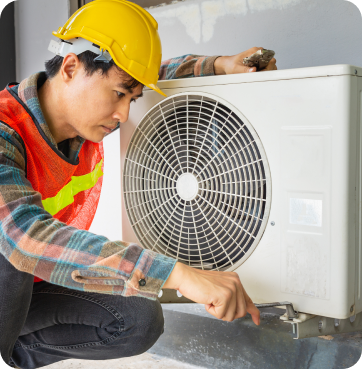
Air Filters
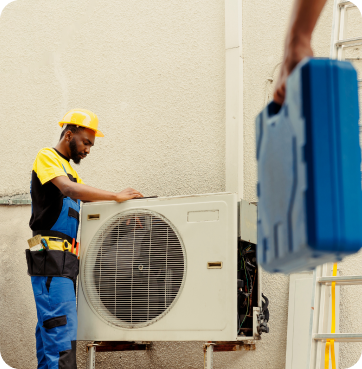
Evaporator and Condenser Coils
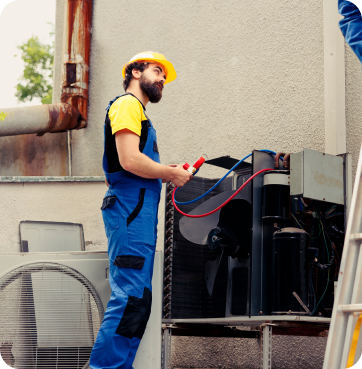
Fan Blades and Motors
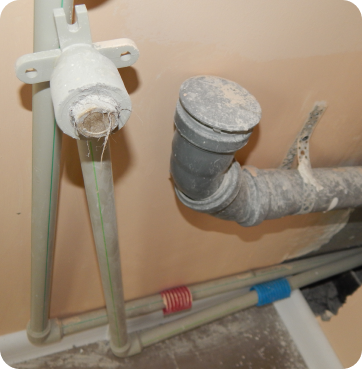
Condensate Drain Lines
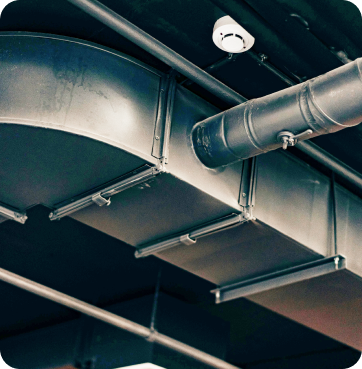
Ductwork
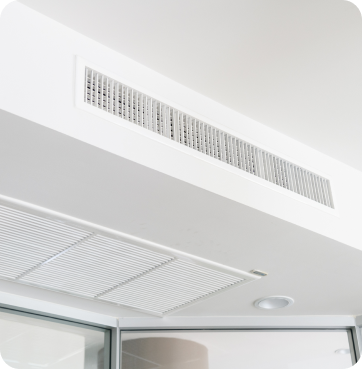
Grilles and Registers
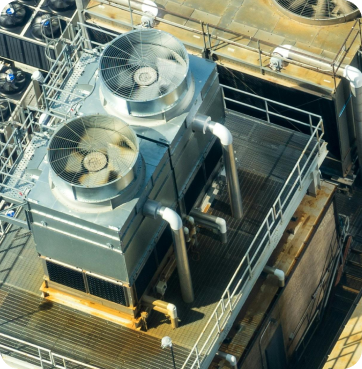
Refrigerant Lines
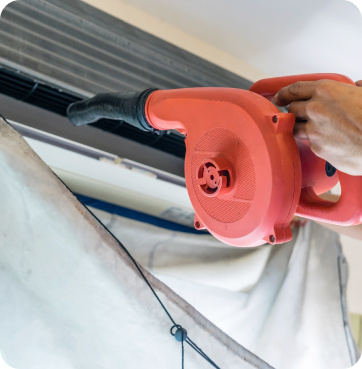
Outdoor & Indoor Units
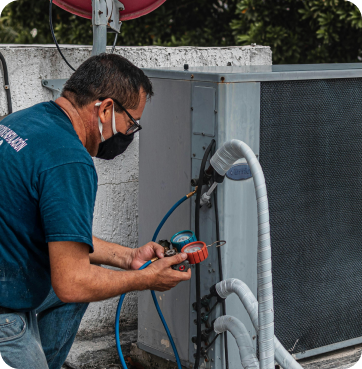
Thermostat
Refrigerant Leaks

Compressor Issues
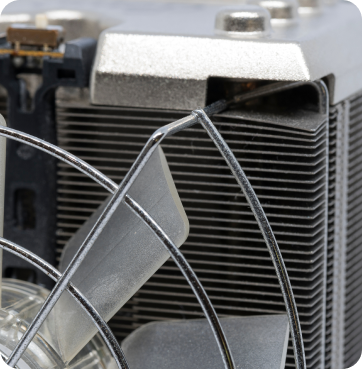
Fan Motor Problems
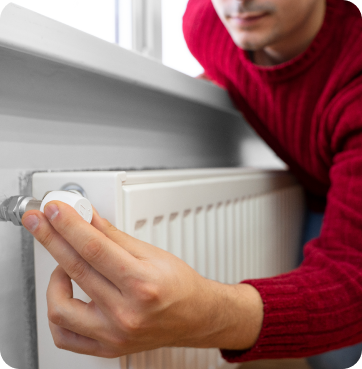
Thermostat Malfunctions
Blower Motor Issues

Capacitor Failures
Electrical Problems
Condenser Coil Problems

Evaporator Coil Issues
Expansion Valve Problems
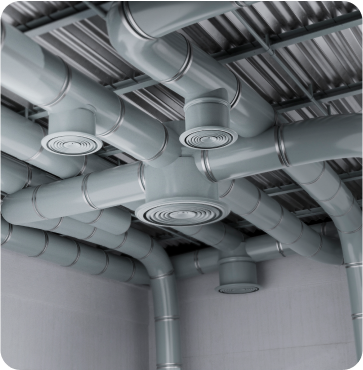
Ductwork Issues
Heat Exchanger Problems
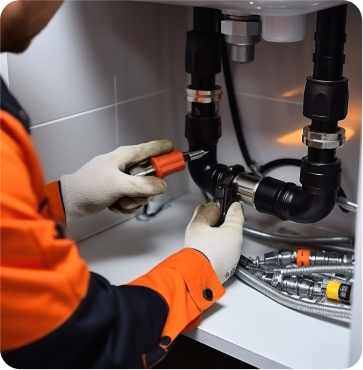
Water Leaks

Control Board Issues
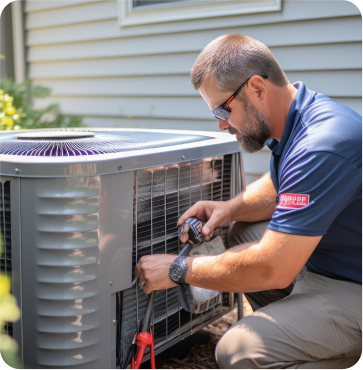
Airflow Problems
HVAC Holbrook NY: keeping a storefront open while the work gets done
An HVAC Holbrook call usually comes from a retail address with customers already in the building: a shop in a plaza, a freestanding unit on its own lot, or a food counter that cannot put a sign on the door and close for the afternoon.
Three kinds of retail address, and the equipment behind each door
Holbrook's commercial work sits along its main roads in plazas and freestanding units. They look alike from the parking field and they are three different jobs once you are inside.
The plaza tenant
One demised space between two neighbors, a suspended ceiling, and usually a single packaged unit on the roof carrying heating and cooling for the whole bay. The roof is reached from outside the space, the parking belongs to the plaza, and the back of the unit opens onto a service lane shared with every other tenant.
Nothing about the work is difficult here. What is difficult is that three parties can have a say in it, and none of them is standing in the shop when the phone call is made.
The freestanding building
A single occupier with a roof, a lot, an electrical service and a gas or electric heating system that answer to one address. Packaged units on the roof, split systems, or a mix left behind by two different fit-outs.
Decisions move faster because one person owns them. The trade is that every cost lands in one place, so repair against replacement is a real conversation instead of a message passed to a management company.
What sits over the sales floor
Ductwork, a return path that is often the ceiling void itself, a condensate drain running to somewhere outside, and the curb the rooftop unit stands on. None of it is visible from the shop until something stains a tile.
That hidden layer is why a fault reported at the register is so often found on the roof or in the void above it.
The streets behind the retail frontage are houses, and they get the same trucks and the same technicians for air conditioning and heating.
Whose unit is it, and who is supposed to call us
On a plaza call this gets asked before anything mechanical, because the answer decides who signs the work order and where the invoice goes. Most contractors skip it and let the tenant find out afterward.
The lease decides it, and two shops in the same row can have opposite answers. One tenant took the space with the rooftop unit treated as part of the building. Another signed for the unit serving their own bay, repairs and replacement included. Both are standing under the same roof looking at the same machine. Finding that paragraph and reading it once while nothing is broken takes a few minutes on a quiet morning, and it saves an argument on the worst afternoon of the year.
- The roof itself, the membrane and the flashing around a curb. That is roofing work and it belongs to a roofer, whoever owns the unit standing on it.
- The curb, the structural opening and anything that was there before the tenancy started.
- Common area lighting, parking and the service lane at the back.
- In many plazas, the packaged unit over the bay, with the running cost passed through to the tenant.
- Refrigeration the business brought in: reach-ins, under-counter boxes, display cases, ice machines, a walk-in built into the back of the space.
- Kitchen exhaust and the equipment under it, where a food tenant fitted it out.
- Any split system or ductless head added to serve a back room or an office.
- Filters, and the day to day condition of whatever the lease made you responsible for.
In practice we work for whoever calls and whoever authorizes the work. If the equipment looks like the building's rather than yours, you hear that before a spanner comes out, not on the invoice. A tenant can still ask for a diagnosis on a unit they do not own, and often should: a written finding is what moves a management company that has heard nothing but a complaint so far.
Some plazas already have a contractor on the roof under a service agreement. Tell us the name when you call and we work around it, or we look at the fault, tell you what it is and hand the findings over. Either way the day is not wasted arguing about it on the phone at the counter.
Where the unit is yours to look after, a maintenance visit ahead of each season is the cheapest thing on this page, and rooftop unit repair is most of what we do along this corridor. Where it is not yours, none of that is your bill, and knowing which of the two you are in is worth more than any advice about the machine.
Something has failed and the shop is open. Start here
Pick what is happening. Each answer covers whether you can keep trading, what to do in the next few minutes, whether it is a landlord call or yours, and where it goes next.
Six failures, and what each one actually costs you today
Not every fault closes a shop, and being told which is which is the difference between a bad afternoon and a lost one.
The ten minutes after you notice, while the shop is still full and nobody has been called yet.
A price, a repair time or a verdict on your equipment. None of that can be given honestly by anyone who has not seen it.
Whether you are a tenant or you own the building, and what the lease says about the unit. It changes the answer to half of these.
If two of them describe your morning, read both and call. Two faults at once is rarely a coincidence.
No cooling out front
The sales floor is warming and the unit on the roof is either silent or running without doing anything.
On a mild day, usually yes, and it is fair to say so: trade through today and take a booked visit tomorrow. On a hot Saturday, no. A warm shop empties out quietly, nobody complains on their way to the door, and the takings tell you afterward.
Keep the front door closed instead of propped, drop the lights you can spare, and switch anything that heats the room off. Set the thermostat to fan only rather than leaving the system calling for cooling it cannot make. Note whether the unit is running at all, because that one answer changes what comes on the truck.
Often the building's on a plaza bay, even where you pay to run it. Tell whoever manages the site the same day, and ask for a diagnosis in writing whichever way it falls.
A packaged unit over a shop fails in a short list of ways, and most of them are found on the roof in one visit. Rooftop unit repair
A reach-in or under-counter box is warm
One cabinet is not holding, and the product in it is the part that matters.
Almost always yes. One box out of service is a stock problem, not a closure, provided there is somewhere else with room in it.
Move the product into a box that is holding, then stop opening the door of the one that is not. Look at the grille by the floor for a blanket of dust or a carton pushed against it, and look inside for ice built up over the coil. A cabinet that is icing will not recover by being turned down further.
Yours, in nearly every case. Refrigeration a business brought into its own space belongs to that business, whatever the lease says about the roof.
Door seals, hinges, a blocked condenser and defrost faults account for most of these. Reach-in cooler repair
The walk-in is drifting up
The box is climbing slowly and everything you hold is in it.
Usually yes for today, and this is still the call to make first. A walk-in carries more stock value than anything else in the building, and slow drift has a habit of becoming a fast one overnight.
Stop opening the door, hold deliveries, and look at the coil inside for a solid coat of ice and at the condensing unit for a fan that has stopped turning. Do not put a domestic fan or a heater near it. What happens to the product is decided by your health department, not by your contractor, and we will not tell you otherwise.
The box is yours if your business installed it. The catch on a plaza is that the machine cooling it often stands on a roof you do not control, so access gets arranged with the site as well.
This is the one that runs at night and on holidays. Emergency refrigeration repair
No heat
The space is cold, and on a corridor the same unit that cools you in July is usually the one heating you in January.
On a mild day, yes. On a cold one it turns on whether staff and customers can be kept in the space at all, and on whether anything in the building has water sitting in it.
Check the thermostat is calling for heat and has not been left in a summer setting from September. Keep the rear service door shut, since a propped back door undoes everything the unit is trying to do. Do not run unvented portable heaters on a sales floor.
The same lease question as cooling, and usually the same machine, so the answer you got last summer is the answer now.
Heat in an occupied building is treated as urgent through the cold half of the year. Emergency HVAC repair
Water coming through the ceiling tiles
A stained tile over a rack, or a steady drip onto the floor of the shop.
Usually yes, with that area closed off. Move stock and anything electrical out from under it, take the wet tile down before it comes down on its own, and put something under the drip.
Photograph it, and write down whether it is raining. Water in the wet is a roof question. Water on a dry day is nearly always condensate: a blocked drain, a full pan or a trap that has given up, and that belongs to the unit rather than to the building envelope.
This is the single most disputed fault on a plaza. The roof is the building's; the drain line and the pan follow whoever owns the unit. Making that observation before you call saves a week of two parties pointing at each other.
Say on the phone which of the two it looked like. If it is the roof itself we will tell you plainly that you want a roofer, and we would rather say it than sell you a visit.
The rooftop unit keeps tripping
It runs, it stops, somebody resets it, and by now that has become the routine.
Yes, and that is exactly why it gets ignored until it does not. A unit that trips on a hot afternoon and comes back is telling you which day it plans to stop for good.
Reset it once. If it goes again, leave it off and call, because repeated resets on a protective device stop protecting anything. Write down the time of day it drops out and whether it happens after a long run. Nobody from the shop needs to go up the ladder to look.
The unit follows the lease. The supply feeding the roof is usually the building's, and a repeated trip needs both questions answered rather than one.
Bring the time pattern to the call. A unit that fails hot, a unit that fails on startup and a unit that fails at random are three different investigations.
Retail runs on daylight, so the work has to fit around people
The useful question in a shop is not when the doors are shut. It is what can be done with customers in the building, and what genuinely cannot.
More of it can be done during trading hours than most owners expect, and the reason is the shape of the building. A packaged unit sits on a roof, outside the space, reached from the parking side or the service lane. A technician can be up there through a whole afternoon and nobody at the register knows about it. Condenser cleaning, controls, refrigerant work, a fan motor, a survey ahead of a replacement: all of that happens above the ceiling and outside the shop.
What needs the floor is short and predictable. A ladder standing in an aisle with customers moving past it. Anything that opens the ceiling grid over a display. Anything that takes cooling away on a hot day or heat away on a cold one. Anything that needs the power to the space off. Those get booked before opening or after close, and they are usually the smaller half of the visit.
Retail's calendar matters as much as its hours. The weeks a shop can least afford to be disturbed are the warm weekends and the run up to the holidays, which is exactly when the equipment is worked hardest. A check ahead of each season is what keeps a marginal unit from choosing the busiest Saturday to give up.
Then there is the other kind of call. Emergency service runs 24 hours a day, every day of the year, and typical on-site response is within 90 minutes, the same figure quoted at either end of the service area. A shop's emergency rarely arrives at two in the morning the way an industrial one does. It arrives at eleven on a Saturday with the floor full, which is why the order of work on a busy day puts refrigeration with product in it first, then a space that customers cannot be kept in, then everything that can honestly wait until Monday. Being told your fault is in the third group is more useful than a truck that turns up late anyway.
When the failure is refrigeration, the loss starts immediately
A pizzeria, a deli counter, a bakery, a coffee bar, a convenience store with a beverage cave. Same corridor, same plazas, and a completely different stake in a breakdown.
Boxes that do the daily work
Reach-ins on the line, under-counter cabinets in the service run, a prep table with product sitting in wells above a chilled base. They are opened hundreds of times a day, which is why gaskets, hinges and door closers turn up so often in the fault, and why a condenser breathing floor dust at knee height is the first thing worth looking at.
The walk-in, split across two owners
The box is in your back room and the machine cooling it is very often on the plaza roof. That split is what makes a walk-in call on this corridor different: one fault, two locations, and roof access that has to be arranged with the site as well as with you. Saying so when you call is what stops a visit turning into a locked ladder and a wasted hour.
What the front counter shows
An open display case holds its temperature with a curtain of moving air, and a shop door that opens all day is a fair test of it. Product stacked over the load line, a fan pointed across the counter or a case standing in afternoon sun will each beat that curtain before the refrigeration is anywhere near at fault.
Two things follow from all of that. The first is that we do not decide what happens to your product, and no contractor should offer to: that call belongs to your health department. What we can do is get the box holding again and tell you plainly what failed and roughly when it started, which is the information you actually need for that conversation.
The second is that a food tenant on a retail corridor gets the fastest hands we have, because the clock is running on stock somebody has already paid for. Display case repair
Where the work is, and how callers describe it
Nobody here gives a house number first. They give a plaza and a cross street, and that is enough for us to know the roof before we arrive.
Sunrise Highway carries the through traffic along the south of Holbrook and most of the larger retail sits on or just off it. Veterans Memorial Highway comes in from the west and ends at it. Holbrook Road runs north to south through the middle, Furrows Road crosses the eastern side, and the residential streets fill in behind all of them, which is why the same truck can be on a plaza roof in the morning and at a condenser beside a house after lunch.
The same technicians cover the towns either side on the same terms: Ronkonkoma and Lake Ronkonkoma to the west and north, Bohemia to the south west, Holtsville just north, and Sayville south of the highway.
Leases, trading hours, roofs and the houses behind them
The unit on our roof came with the space. Is it ours to repair?
Your lease answers that and we cannot answer it for you, because two shops in the same row often sign different terms. What we can do is look at the equipment, tell you what has failed and put the finding in writing so it can go to whoever manages the building. Tenants ask for that regularly, and it is usually what gets a stalled conversation moving.
Can you work while we are open?
For most of it, yes. Rooftop and outdoor work happens away from the sales floor and your customers never know it is going on. Anything that needs a ladder in an aisle, the ceiling opened, or the power off gets booked before you open or after you close, and we will say which of the two your job is when you call rather than when we arrive.
We manage a plaza with several tenants. Can one visit cover the roof?
Yes. One trip up covers every unit on that roof, and the findings come back separately for each so they can be handled bay by bay. It is a cheaper way to run a site than sending someone for one unit at a time, and it catches the units nobody has complained about yet.
Our cooler is climbing and we open in the morning. What now?
Call, and say what the box is and where the machine cooling it stands. Refrigeration with product in it is the most urgent thing on the list, emergency service runs every day of the year, and typical on-site response is within 90 minutes. Move what you can into a box that is holding while you wait, and leave the door shut on the one that is not.
Do you cover the houses behind the corridor?
We do. Central air, ductless heads, gas and electric furnaces, boilers, heat pumps and the seasonal tune-up that catches a tired capacitor in April instead of in July. Commercial work is the larger half of what we do in Holbrook, and that is a description of the town rather than a limit on the work.
Tell us what has failed and whether you can stay open
Those two answers, plus whether the equipment is yours or the building's, are usually enough for us to say what has probably gone and when somebody can be there. Call for anything urgent, or send the details and we will come back to you.