

Air Filters

Evaporator and Condenser Coils

Fan Blades and Motors
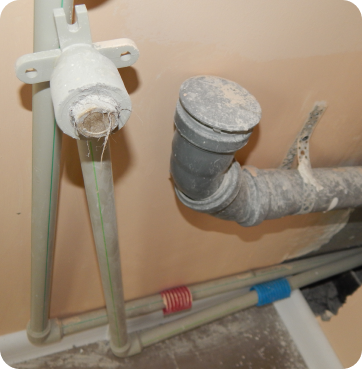
Condensate Drain Lines
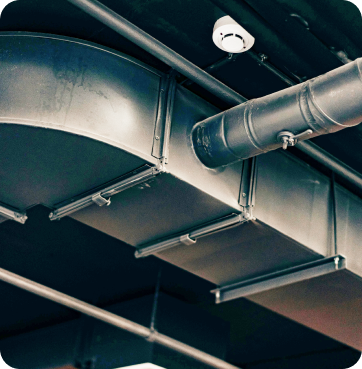
Ductwork
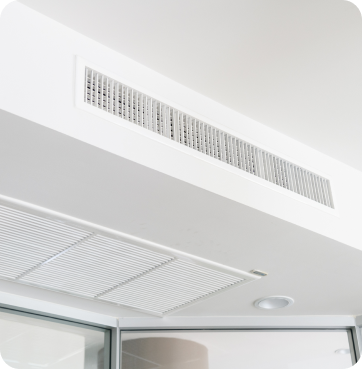
Grilles and Registers
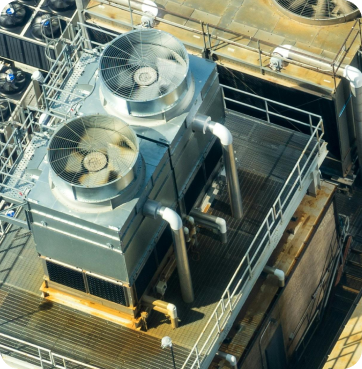
Refrigerant Lines

Outdoor & Indoor Units
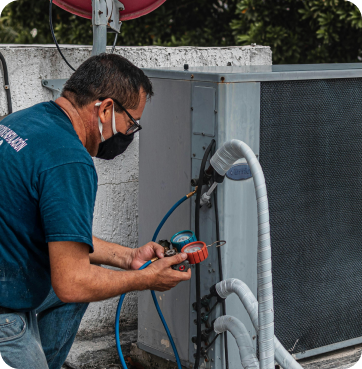
Thermostat

Refrigerant Leaks

Compressor Issues

Fan Motor Problems

Thermostat Malfunctions

Blower Motor Issues

Capacitor Failures

Electrical Problems
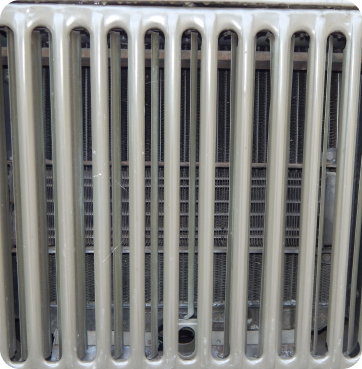
Condenser Coil Problems

Evaporator Coil Issues
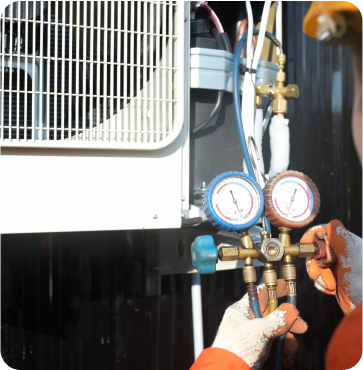
Expansion Valve Problems
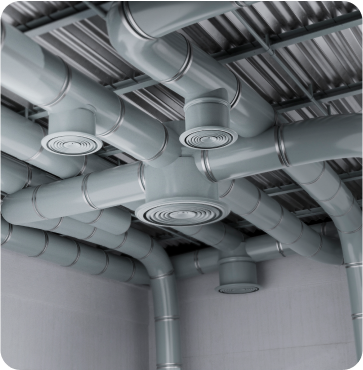
Ductwork Issues

Heat Exchanger Problems

Water Leaks

Control Board Issues

Airflow Problems
HVAC Mount Sinai NY: the same street, and two different jobs
An HVAC Mount Sinai call comes from the Sound side of the island, where the ground rises away from the harbor instead of lying flat against it, and that one difference decides how much weather an outdoor unit actually takes.
Year-round houses, and a short commercial list
Almost every call from this side of the harbor is somebody's home, lived in through both seasons, with the food and retail addresses along the highway making up the rest.
Central air, ductless heads, and the annual check
Systems put in, repaired and serviced: a capacitor that gave up in July, a contactor, a charge that has quietly gone low, a condensate line that stopped draining. Ductless heads go where a duct was never going to reach, usually an addition or a room facing the water.
Whichever it is, the half of the machine that lives outdoors is the half this town argues about.
Furnaces, boilers and heat pumps
Gas and electric furnaces, boilers and heat pumps, installed and repaired. What the system in front of us runs on is established at the survey rather than assumed from the street, and the permitting is handled with whichever town or village has jurisdiction at that address.
Heat pumps come up again below, because they are the one machine that stands in this weather all winter as well.
Kitchens, storefronts and small roofs
The food and retail addresses on the corridor run walk-ins, reach-ins, display cases and ice machines, where a failure is counted in product rather than in comfort. Above them sit packaged units on low roofs with very little standing between them and the wind.
Commercial and residential go out on the same trucks and on the same day.
Why the Sound side is a different proposition
Every other waterfront town we cover faces Great South Bay across flat ground. Here the land climbs, and exposure changes over a couple of streets instead of a couple of miles.
Salt is the mechanism underneath all of this. Carried in solution onto a condenser coil, it works at the joint between the aluminum fin and the copper tube until heat transfer falls away while the cabinet still looks sound from the driveway. That chemistry is set out in full on our Islip page and there is no reason to write it twice.
What changes here is how it reaches you. On the bay side the argument is distance: a mile inland is milder than two streets back, and it fades along a flat gradient you can measure on a map. On the harbor and the Sound, the ground itself gets in the way. A slope, a bank, and the run of houses along the top of it stand between the water and everything behind them, so exposure drops off far faster than the distance alone suggests.
The same four positions the questions below ask about, drawn as a section through the ground rather than as a distance on a map.
Down by the harbor, with nothing in front of you
The streets running down to the harbor and the road along it hold the most exposed addresses in the hamlet, and they are exposed in the simplest way: open water on one side, and no ground in between. Everything the coastal pages say applies here at full strength.
On the slope, where it depends what is in front of the house
This is where most of the houses are and where the honest answer stops being automatic. A house partway up the harbor side still gets weather off the water, but how much depends on what stands downhill: another row of houses, a stand of trees, a garden wall, or nothing at all. Two neighbors here can be in genuinely different situations.
Further from the water, and more of the wind
Height trades one thing for another. Up on the high ground there is more distance and more ground between the coil and the spray, so what settles on the fins is generally less than at the bottom of the same street. What increases is the wind. A crest catches what everything lower down is sheltered from, which matters less for a coil in July than it does for an outdoor unit running through a February night.
The inland side, which is quieter than its postal address
Once the high ground is between the house and the water, conditions look a great deal more like the inland towns than like the shore road, even though the address says the same hamlet. Coastal equipment and short rinse intervals get sold into these streets on reputation, and often the position does not earn them.
Which wall the unit sits against
The slope decides what arrives at the property. The building decides how much of it reaches the machine, and that part is often still open on install day.
A condenser or a heat pump on the open side of a house takes the weather directly. The same cabinet moved to the far side, with the building between it and the water, sits in the lee of a solid object all year, and nothing else about the installation changes. The position is usually decided by whatever was convenient the day it went in, which makes it one of the few things on a job that costs nothing to get right at the start and is awkward to revisit afterward.
Side walls sit in between, and which side wall matters more than people expect, because a corner can be swept while the wall three feet around it is calm. Fences, garden walls, a garage and a run of dense planting all do the same job as the house, with the difference that planting closes in over the years and a wall does not. There is a limit to all of it, and the limit is airflow: whatever does the sheltering has to stand far enough back to leave the unit breathing.
Place your house, and see how much position changes
Four questions, all answerable from the yard. The reading is comparative rather than measured, because a number for your coil would have to be invented by somebody who has never stood in front of it.
Answer all four and the two readings appear here
They are deliberately separate. How much salt-carrying air reaches the coil and how much wind the cabinet stands in are two different questions, and on this side of the island they often point in opposite directions. One of the possible answers is that your position is mild and needs nothing beyond ordinary service, which on these streets comes up more often than the town name suggests.
Your coil is getting close to the full dose
Your answers stack in one direction: very little of substance stands between that coil and what comes off the water. This is the version of the address where the coastal advice applies without qualification. Nothing about it is dramatic on any single day, because the change is cumulative and shows up as a coil that stops rejecting heat as well as it used to while still looking sound.
The same house and the same equipment, set back with the ground or a solid run of buildings between it and the water, would be looking at a noticeably easier life for the coil. That is the size of the difference position makes here, and it is why the town name on its own is a poor guide.
Rinse on a short cycle through the season rather than once a year, keep the clearance genuinely open so what lands can be washed back out, and treat corrosion protection at replacement as money that earns itself back in a spot like this.
Real, but softened by what is in front of you
Something between the unit and the water is doing work: ground, buildings, planting, or simply height. Enough gets through that this is not an inland yard, and not so much that the shore road answer is the right one for you.
Against a house at the bottom of the same street with an open outlook, yours is in the easier half. Against one tucked behind the rise, it is in the harder half. That middle is where most of the hamlet actually sits, and it is why a blanket recommendation for the whole town fits almost nobody.
Rinse more often than an inland house would and less obsessively than a shore-road one. The coil itself settles the rest: after a couple of seasons it has recorded the answer for your exact spot, and somebody who reads coils for a living can tell you what it says.
Closer to an inland yard than a coastal one
With the rise, the building, or a solid belt of shelter between the unit and the water, very little of what comes off the Sound is reaching those fins. The postal address is coastal. The condition the machine lives in is not, and pretending otherwise would cost you money for nothing.
A house on the harbor side and low down, a short walk away, is in a genuinely different situation from yours. Same hamlet, same weather forecast, different job.
Not much, and that is the useful part. Ordinary seasonal service, ordinary clearance, ordinary equipment. If corrosion protection is quoted to you here, ask what about your particular position is being priced.
The cabinet stands in the weather all year
An open outlook and little in the way of shelter put this unit in moving air on most days, which does almost nothing to a condenser in summer and matters a great deal to anything running through the winter. A heat pump on a spot like this is working against wind chill on the cabinet, defrosting more often on a raw night, and dealing with whatever the wind pushes across the pad.
How high the unit is set above the pad so meltwater and snow have somewhere to go, whether the base has drainage or an ice pillow has built underneath it, which way the fan discharge is pointed relative to the prevailing weather, and whether the mounting and the line set are taking any strain.
None of this argues against the equipment you were considering. A windy position is a siting question rather than a reason to buy something different, and every check above is settled on install day at no extra cost. It is only expensive once the pad is poured and the line set is run.
Sheltered on some sides, open on others
A position like this gets its share of moving air without standing in it constantly. For a cooling-only unit that is a non-issue. For anything running in winter it is worth ten minutes at the survey rather than a redesign.
The height of the unit above the pad, the drainage under it, and whether the shelter that helps in winter is close enough to choke airflow in July. Those two requirements pull in opposite directions and the spacing is what settles them.
A position like this rules nothing out. It is worth a few minutes of thought about which wall and how high off the ground while the job is still on paper, and it is not a reason to specify different equipment or to expect a shorter life out of it.
In the lee of something solid
Low ground, the building in the way, or a bank behind you all mean this cabinet is out of the worst of it. The winter case is straightforward here and the position is one you would choose on purpose.
Mostly the opposite risk. Sheltered corners collect leaves, snow slides off roofs into them, and the clearance that seemed generous when the unit went in gets closed up by planting over the years. Airflow on every side and headroom above it are the checks that matter.
Shelter is worth having and it costs very little to arrange. The useful spending on a position like this goes on the equipment itself and on getting the drainage under it right, rather than on protection the spot already provides.
About the unit's own wall
Answer the third question and this changes to match where your cabinet actually stands.
On the side facing the water
This is the position that gives up the most for the least reason, because moving a cabinet around the building is usually a modest change at install and rarely worth doing on its own afterward. If a replacement is anywhere on the horizon, the new one going on a different wall costs nothing extra and changes the conditions it lives in for its whole life. Where it has to stay, the answer is routine rather than relocation.
Around on a flank
Side walls vary more than any other position, because a corner can be swept while the middle of the same wall is calm, and a neighboring house or garage can shelter one flank completely. This is the case where standing in the yard beats reading a map, and it is worth pointing out to whoever is quoting so the recommendation matches your side of the building rather than your street.
With the building in the way
The house is doing the sheltering, which is the cheapest protection available and the one nobody charges for. Keep it: if an extension or a deck is planned, check where the unit ends up in relation to it before the drawings are finished, and keep the clearance around the cabinet open so the shelter does not turn into an enclosure.
Heating for houses that are lived in all year
These are not summer places. Whatever is in the basement carries the house through the winter, and one increasingly common choice puts equipment out in the weather while it does it.
Furnaces and boilers, out of the argument
A gas or electric furnace and a boiler both live inside, so the whole exposure argument passes them by. What they want is to be sized for the house, vented properly, and serviced before the season rather than during it.
Losing heat on a cold night is answered at whatever hour it happens, in this hamlet as everywhere else on the list.
A heat pump, standing in it in January
One cabinet doing both jobs means the outdoor half never gets a quiet half of the year. In summer it is a condenser like any other. In winter it is running when the wind off the Sound is at its most persistent, going into defrost cycles, and shedding meltwater that has to end up somewhere other than a pool under the unit that freezes solid.
Which is why siting gets more attention here than on a cooling-only install: the wall it sits against, how far clear of the pad it stands, and what the ground under it does with water.
Mount Sinai, and the hamlets either side of it
Callers here give a road and a corner rather than a house number, and on this stretch of the North Shore that is usually enough to know the block.
Route 25A runs across the top of the hamlet as North Country Road and carries most of the commercial addresses. Mount Sinai-Coram Road drops south from it toward Coram, and Canal Road follows the edge of the harbor with the residential streets climbing away from it. Crystal Brook Hollow Road and Echo Avenue take you through the middle, Cedar Beach sits out on the spit by the inlet, and Heritage Park works as a landmark for anything near the crossroads.
The same trucks cover Port Jefferson and Port Jefferson Station to the west, Miller Place, Sound Beach and Rocky Point along the shore to the east, and the inland run south through Coram and Selden. A truck working this end of the North Shore covers all of them in the same day.
The northeast corner of the daily run
The shop and the trucks are in Ronkonkoma, and Mount Sinai sits up in the far northeast of what they cover. The published figure is typically on site within 90 minutes. It is the same figure quoted for every town on the list, including the ones a few minutes from the yard, and it is not adjusted upward or downward for this one.
Emergency work runs every day of the year, nights and holidays included. Winter calls here are mostly no heat, and a house on open high ground loses heat faster on a windy night than the outdoor temperature alone would suggest, so those calls arrive earlier in a cold snap than the forecast implies. Summer brings the refrigeration failures from the food addresses on the corridor, which are the ones counted in product.
Position, coatings, heat pumps and coverage
Why would my neighbor need something different from me on the same street?
Because a street here can run up a slope. One house can have open water in front of it and the next can have a row of buildings and a rise in the way, and the machines in those two yards are living in different conditions even though the mail arrives at the same time. Anybody advising you without having looked at your position is guessing from the town name.
Is a coated coil worth paying for at this address?
On the exposed positions, generally yes and without much argument. Behind the rise it becomes a real judgment call, and the best evidence is the coil you already have, which has spent years recording the answer for that exact yard. Ask what the protection covers as well, because the cabinet, the fasteners and the base rail are separate items from the fins.
We are looking at a heat pump. Does the wind off the Sound change where it goes?
It changes how carefully the spot gets chosen, not whether a heat pump suits the house. The cabinet works outdoors in both seasons, so which wall it stands against and where it sits in the yard get decided at the survey instead of on the day. Doing that once at the start is straightforward, and moving a unit afterward is not.
Can I shelter the unit with a fence or some planting?
Within limits, and the limit is airflow. A condenser draws air through every side and throws it out the top, so a screen has to stand well back to leave that clear. Something tight against the cabinet makes it re-breathe its own warm air and lose capacity on the days you need it most. Planting also closes the gap over the years, which a fence does not.
Which places around Mount Sinai do you cover?
Mount Sinai itself, plus Port Jefferson and Port Jefferson Station, Miller Place, Sound Beach and Rocky Point along the shore, and Coram and Selden on the inland run. The same technicians handle homes and businesses, with emergency service every day of the year and a typical on-site response inside 90 minutes.
Tell us the street and which way the unit faces
Those two together say a great deal before anybody is dispatched, because the street places you on the slope and the wall places the machine. Call for anything urgent, or send the details and we will come back to you.