

Air Filters
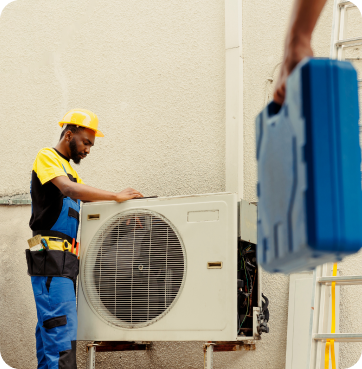
Evaporator and Condenser Coils

Fan Blades and Motors
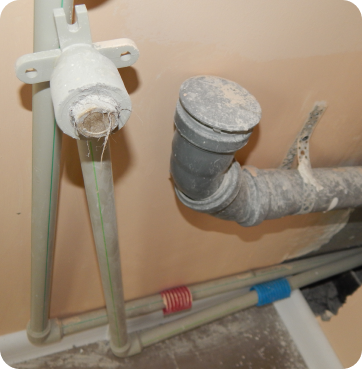
Condensate Drain Lines
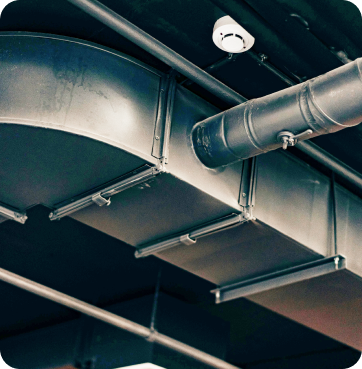
Ductwork
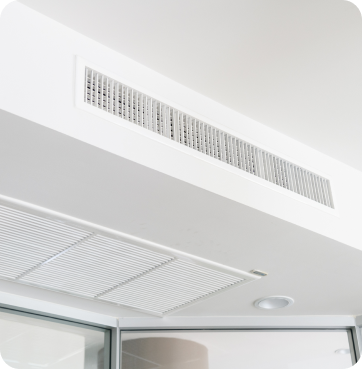
Grilles and Registers
Refrigerant Lines
Outdoor & Indoor Units
Thermostat

Refrigerant Leaks

Compressor Issues
Fan Motor Problems

Thermostat Malfunctions

Blower Motor Issues

Capacitor Failures
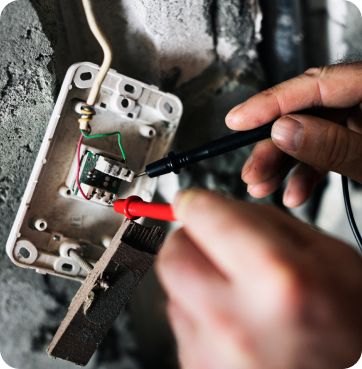
Electrical Problems
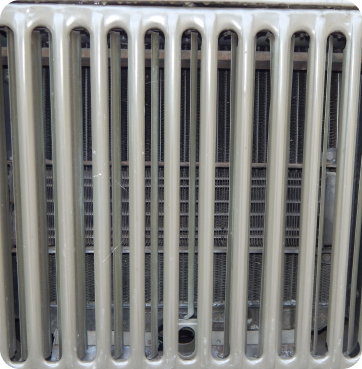
Condenser Coil Problems

Evaporator Coil Issues
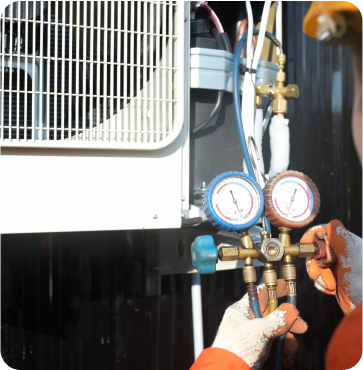
Expansion Valve Problems
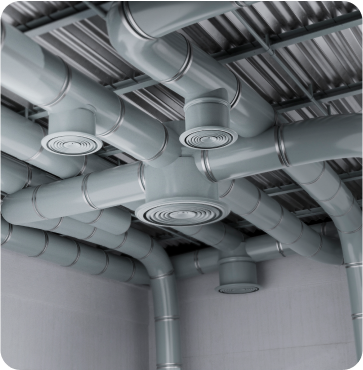
Ductwork Issues
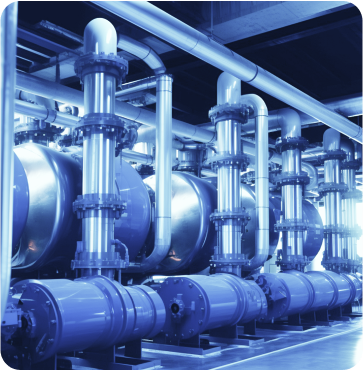
Heat Exchanger Problems
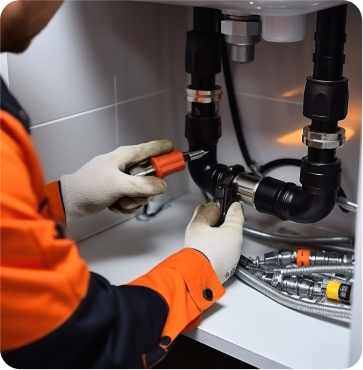
Water Leaks

Control Board Issues
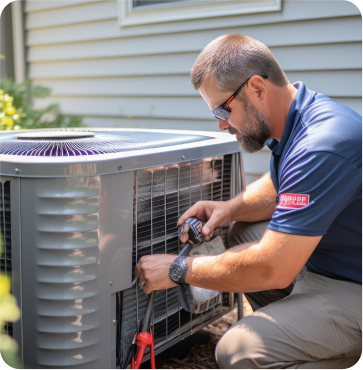
Airflow Problems
HVAC Selden NY: the furnace, the coil and the ducts are one system
An HVAC Selden call usually reaches a house that heats and cools through the same ductwork, and that one fact decides more about what a repair or a replacement really involves than the badge on the cabinet ever will.
- Emergency service 24/7, every day of the year
- Typically on site within 90 minutes
- Office Monday to Friday, 8am to 5pm
- Gas and electric heating, ducted and ductless cooling
Selden, and the streets that run off Middle Country Road
Nearly everything we do in this town sits within a few turns of one road, and the places either side of it are worked by the same technicians on the same terms.
Middle Country Road, and about two turns off it
The plazas and storefronts along Middle Country Road hold most of the commercial addresses in Selden: delis, takeout kitchens, small restaurants, retail units and the offices behind them. That stretch is where the refrigeration calls come from.
Turn off it in either direction and the town becomes houses almost at once. Boyle Road and Hawkins Road run north through blocks of single family homes, College Road and the streets around the campus do the same to the south, and the western edge runs out toward Nicolls Road. Those streets are the bulk of our work here, and nearly every one of those houses heats and cools through ductwork.
Same trucks, same terms
Centereach to the west, Farmingville to the south, Coram to the east, with Lake Grove, Stony Brook and Port Jefferson Station around the edges. Nobody gets a different phone number or a different place in the queue for sitting on the far side of a hamlet line.
Salt is not the argument up here
Selden sits well inland, so the corrosion case that shapes maintenance along the water does not apply to a condenser standing in a yard in this town. It is argued properly on the Bay Shore page because it belongs there. What ages equipment here is run hours, airflow and the condition of whatever it is connected to.
A furnace, a coil and a duct system are one machine, not three purchases
Most quotes on a house like this price the box. The box is one part of something the house has been running since the day the ducts went in.
The same iron works both seasons
In a ducted house the same blower, the same runs and the same registers deliver heat in January and cooling in July. The furnace carries the burner, the heat exchanger and that blower. The coil sits in the plenum above it. The condenser stands outside, rated as a pair with that coil. Change one of the four and you have changed what the other three are asked to do, whether or not anybody mentioned it.
The parts share a history
A house that got its furnace, its coil and its duct runs in one go has been running all of them the same length of time. So when the furnace is finally done, the coil above it is usually the same vintage and the ducts are the ones it was sized for. The question worth asking is not whether the furnace is finished. It is which parts of the system are worth carrying forward.
The pairing is what the rating describes
An outdoor unit replaced on its own, left working through an indoor coil from a different era, is the common expensive shortcut in this trade. The capacity on the plate describes a matched pair, and an unmatched one does not deliver it. That case is made in full on the air conditioning installation and heat pump installation pages.
One conversation instead of three, spread across a decade
None of this makes replacement urgent, and plenty of systems here have ordinary service left in them. It changes the shape of the decision. Told what the coil and the ducts are doing while the furnace still runs, you choose the season, the equipment and the order of the work. Told during a no-heat call in February, you get whatever can be fitted that week, and the coil turns up later as a second surprise. The check below sorts which of those two you are in.
Four questions about what you already know
Answer from memory. Nothing here wants a model number, a year or a figure you would have to go and look up, and nothing you pick is sent anywhere.
Then you know its vintage, and probably whether the coil above it went in on the same day.
A replacement is a marker in the system's history. What matters is what got left in place around it.
Common, and not a fault. It means age gets established from the equipment rather than from paperwork.
A matched pair, and the arrangement every figure on the rating plate assumes.
Then find out whether the indoor coil was changed with it. That pairing is the whole question.
The pairing is unestablished. Settling it is early work on a survey, because it changes what a repair is worth.
A good sign. It suggests the duct system is broadly matched to the rooms it serves.
Usually an airflow or balancing question at that branch, not a machine that is failing.
A distribution problem. The same duct carries both seasons, so both fail in the same place.
Then it is the system the house was built with, sized for the rooms as they stood.
Added runs are the usual reason a return no longer matches the supply, and the new room complains loudest.
Somebody has already been into the distribution, which normally shortens a survey instead of lengthening it.
Answer all four
This panel then fills in with what the combination suggests about the system as a whole, what is worth carrying forward, and what to ask before one box gets replaced on its own.
A system you largely know, and it looks matched
Nothing here points at equipment changed piece by piece. The indoor and outdoor sides appear to belong together, and no room is telling you the ducts cannot reach it.
Most of it. This is a repair and seasonal service conversation, not a replacement one, and it is reasonable to keep it that way until the equipment says otherwise.
If a part fails and somebody proposes a new machine, ask what the rest of the system would then be doing. On a matched system in this condition the repair is usually the straight answer.
One or two things to establish before anything gets priced
The picture is mostly clear with one gap in it, normally the coil or the state of the ducts. Neither is hard to establish, and both change what a sensible next step looks like.
The distribution, probably, and possibly the indoor equipment too. A survey settles whether the gap is a detail or the whole story.
Ask what sits on the other side of the part being quoted. A price on a condenser that says nothing about the coil it works through is a price on half a job.
The parts have drifted apart, and the house is showing it
This describes a system changed one piece at a time, which is how most systems in houses of this kind end up. The parts may all run. They are unlikely to be working together.
The duct system, usually, once the returns and accessible runs have been looked at. Equipment nobody can confirm as a pair rarely survives a survey.
Ask for the pairing in writing, and which indoor coil the proposed outdoor unit is rated with. Then ask what the existing ducts can carry, before anything gets sized.
This reads as a whole-system decision, not a box decision
Equipment of unknown age, a pairing nobody can confirm, a room the system has never served, and ductwork that has been added to. Those four arrive together because they are four symptoms of one system reaching the same point.
Less than you would hope on the equipment, more than you would fear on the ducts. A duct system built well is often what stays while everything attached to it changes.
Ask for a heat loss and heat gain calculation on the house as it stands, not on the label of the old cabinet, and ask what happens to the added runs and the returns. A quote without either is a quote for a box.
None of this is a diagnosis or a verdict on your equipment. It is the shape of the conversation a survey would have with the system in front of it. Call 631-710-6257 and somebody will come and look.
What the ductwork in a Selden house is usually doing
Four things we find over and over on these streets. Not one of them is fixed by a new machine on the end of the same ducts.
Supply is straightforward to add and return is not, so a great many ducted systems came out of the ground carrying less return than supply. The blower makes up the difference by working against static pressure nobody intended it to see, and the symptoms read exactly like a tired machine: thin air at the registers, long run times, a system that gives up in the week it works hardest. New equipment on the same return behaves the same way, quieter and more expensively.
A finished basement, a room over the garage, an attic turned into a bedroom. The duct that reached it usually came off whichever branch was nearest, which is reasonable and also why the rest of that floor changed on the same day. Air sent to one room comes from the rooms already being fed.
Take this one seriously, because a room failing in summer and again in winter is neither a cooling fault nor a heating fault. It is one duct underperforming twice a year. Room by room balancing on a ducted system has depth of its own, and how it gets approached is set out on the forced air heating page.
A restricted filter and a dirty coil take air from the same system, and both show up as the machine getting blamed for something the air path is doing. They are also the two things a seasonal visit gets its hands on, which is most of the case for air conditioning maintenance on a house running its ducts all year.
Heating and cooling get decided in one conversation, or they get decided twice
The two halves of a ducted system fail at opposite ends of the year, which is why the season you replace in is worth a thought of its own.
A furnace fails in the cold, when a house cannot go a day without heat and nobody is in a position to weigh options. A condenser fails in the heat, when half the island is calling about theirs in the same few hours. Both get worked the day they happen, and neither is the moment to be choosing equipment. A system already surveyed can be replaced in one planned visit in a shoulder season instead of in two emergencies at opposite ends of the calendar.
Plenty of the time the answer is that nothing needs replacing. An ignitor, a flame sensor, a pressure switch or an inducer motor on a machine with service left in it is a repair, and furnace repair is most of the heating work we do here. What shifts the calculation is a cracked heat exchanger, or a machine that has begun asking for parts in a run.
Where replacement is the right call, the survey decides: a heat loss and heat gain calculation on the house as it stands, a straight look at what the existing ducts and returns can carry, and a check that the electrical service suits what is proposed. What the system runs on, gas or electric, is established there too, along with permitting and inspection through whichever town or village has jurisdiction at the address. Furnace installation covers the day itself. The cooling half gets specified in the same visit, because on a ducted house it is the same system.
The businesses on the corridor, and the calls that come at night
Selden is mostly houses, so the commercial work here is concentrated in one place and is mostly about holding product cold.
Refrigeration, where a failure bills by the hour
What these businesses run in the back is a walk-in or a bank of reach-ins, prep refrigeration on the line, a case at the counter and an ice machine. When one loses capacity the cost arrives as stock instead of as discomfort, which is why it goes to the front of the list at any hour of any day.
Equipment out of sight since the day it landed
Most of the cooling and a fair share of the heating on this stretch sits on a flat roof and has not been looked at since it was set down. Planned visits earn more there than on anything else a small business owns, because the first sign of trouble from inside is a room that stops holding temperature with customers in it.
Emergency work runs 24/7, every day of the year, with a typical on-site response inside 90 minutes anywhere we cover. In a town of houses the winter calls outnumber everything else: a furnace sitting on a lockout, a blower that will not start, a system that dropped out when the power blinked. Emergency heating repair sets out what that visit involves. A cooler climbing with a weekend of stock in it is the one thing that goes ahead of it, and both reach the same technician on the same number.
Ducts, matching, and what a survey actually settles
My AC quote does not mention the indoor coil. Is that normal?
Common, and worth questioning. The capacity a condenser is rated at describes it working with a particular indoor coil, so a quote naming only the outdoor unit has left out half of what decides the result. Ask which coil the price assumes and whether the existing one is staying, before the order goes in.
One room has never been comfortable. Will a new system fix it?
Usually not on its own. The fault sits in the distribution and not in the machine, so new equipment on the same ducts tends to deliver the same room, at which point the disappointment has been paid for. It is an airflow question first, and worth answering before anybody sizes a replacement.
The furnace still works. Why would I be looking at the whole system now?
Because a working furnace is the only time the decision gets made calmly. Once it stops on a cold night the choice narrows to whatever can be fitted that week. Looking while it runs costs you a survey and buys the option of doing the work in a shoulder season, with the coil and the ducts inside the plan instead of turning up halfway through it.
How much can you tell about the ducts without opening up the house?
A fair amount. Where the returns are and what size they are, what the registers are delivering against what the rooms need, and the condition of the accessible runs in a basement or attic tell a technician most of what a replacement needs to know. It will not find something buried in a wall cavity, and if the survey reaches that point we say so instead of guessing.
Do you cover Centereach, Farmingville and Coram as well?
Yes, along with Lake Grove, Stony Brook and Port Jefferson Station, houses and businesses alike. The same technicians work all of them on the same terms.
Tell us what the system is doing and what you already know about it
What is standing indoors, whether the outdoor unit went in with it, and which room complains: three answers that tell us more than a model number would. Call for anything urgent, or send the details and somebody will come back to you.