

Air Filters
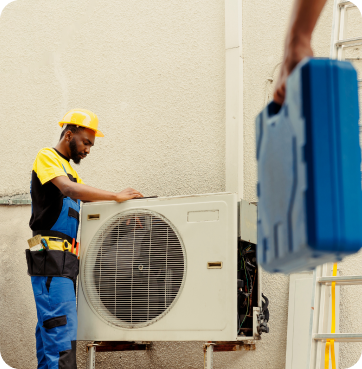
Evaporator and Condenser Coils
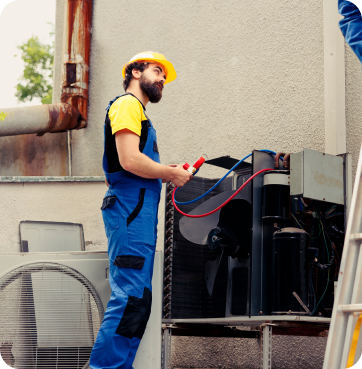
Fan Blades and Motors
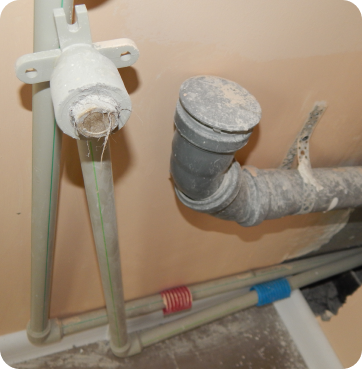
Condensate Drain Lines
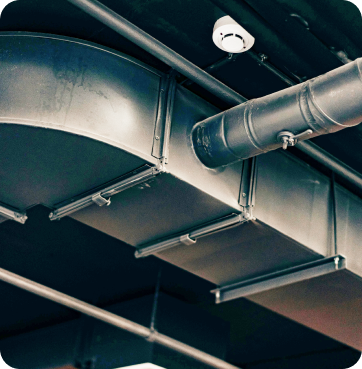
Ductwork
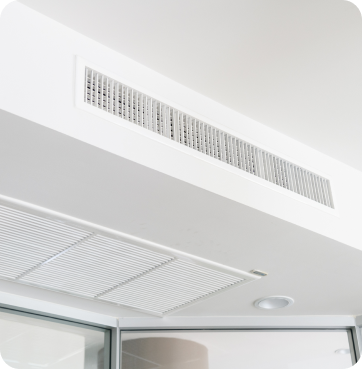
Grilles and Registers
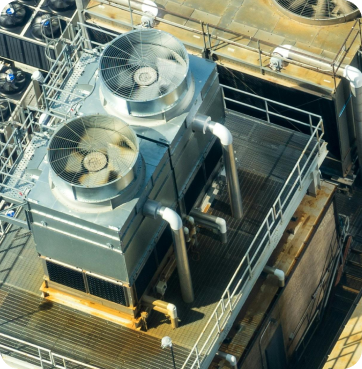
Refrigerant Lines
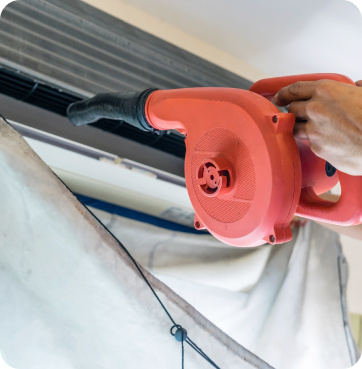
Outdoor & Indoor Units
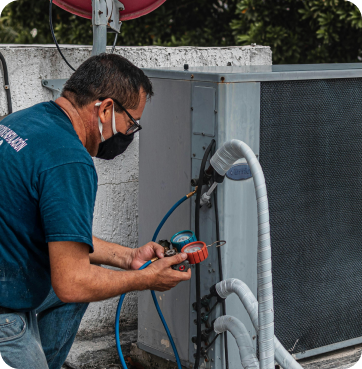
Thermostat

Refrigerant Leaks

Compressor Issues
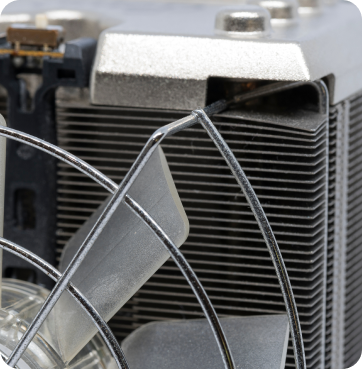
Fan Motor Problems

Thermostat Malfunctions

Blower Motor Issues

Capacitor Failures
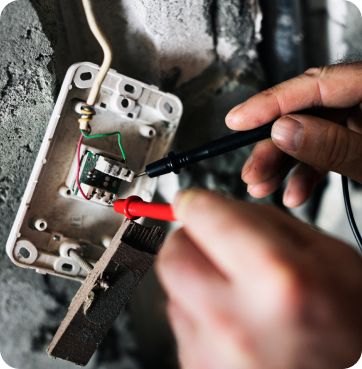
Electrical Problems
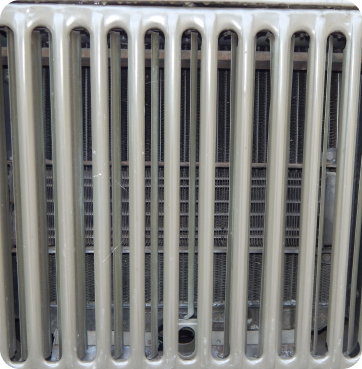
Condenser Coil Problems

Evaporator Coil Issues
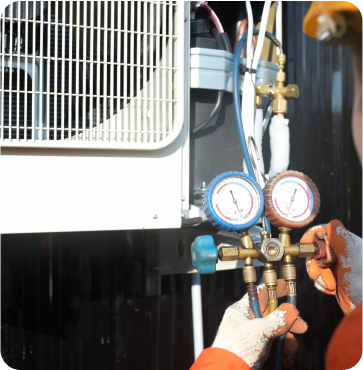
Expansion Valve Problems
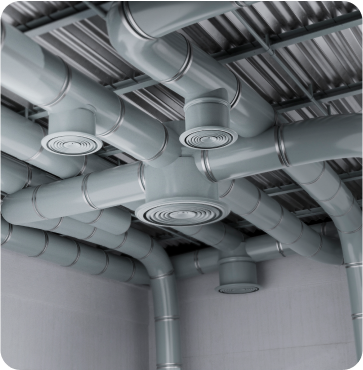
Ductwork Issues
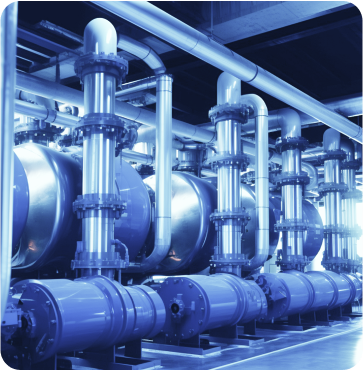
Heat Exchanger Problems
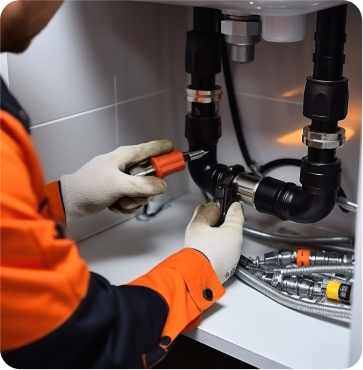
Water Leaks

Control Board Issues
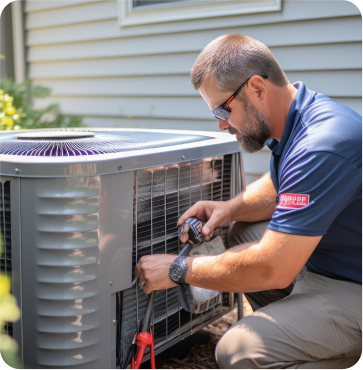
Airflow Problems
HVAC Bay Shore NY: one roof, two kinds of occupant
An HVAC Bay Shore call often comes from a building doing two jobs at once, with a shop or an office at street level and somebody's home directly above it.
The downtown at street level, and the streets that run to the bay
Two halves of the same town and two different kinds of call, worked by the same technicians out of the same trucks.
Stores, kitchens, offices and medical suites
Restaurants and bars, food stores and delis, retail at street level, offices and medical rooms above and beside them. Food businesses run on refrigeration, and a failure there is counted in product rather than in comfort, so walk-ins, reach-ins, prep tables, display cases and ice machines get the fastest hands we have.
On the air side it is packaged rooftop equipment over sales floors and dining rooms, split systems in offices and treatment rooms, and exhaust wherever there is a hood over a line.
Houses on the streets below the downtown
Central air conditioning installed and repaired, ductless heads where a duct will not go, gas and electric furnaces, boilers and heat pumps, and the seasonal tune-up that finds a tired capacitor in April instead of the third week of July.
Salt in solution attacks the joint between fin and tube on any coil standing outdoors, so heat transfer falls away while the coil still looks whole from six feet back, which is why a condenser on the streets nearest the bay earns a shorter rinse interval. What that means for your unit is settled at the maintenance visit rather than off a map.
One building, two uses, and equipment that has to answer to both
A great many addresses in this town are a business at the bottom and a home at the top, and that single fact changes the work more than anything else about the place.
A store, a restaurant or an office is full of people and heat for a set number of hours and empty for the rest. An apartment is the reverse: quiet through the working day, occupied through the evening and all night. Put those two on one roof and you have a building that never really settles, with one system loading up as the other backs off.
The equipment follows the same split. The commercial half usually runs on packaged units set down on the flat roof or split systems tucked into a service passage. The residential half runs on something smaller and quieter, often added years later, wherever there was room left for it. They end up on the same deck, in the same alley, and sometimes on the same electrical service, without anybody having designed them as one installation.
Which is why a fault in a building like this is rarely only a fault. A rooftop unit serving a store sits directly above somebody's bedroom, so a compressor starting at four in the morning is a complaint before it is ever a work order. Reaching that roof means getting through a business, a hallway or a home. And when the invoice is written, the person who felt the problem is frequently not the person who owns the machine that caused it.
Find the arrangement you are actually in
Five ways a building here gets divided up. Each one changes what the equipment usually is, who owns it, who ends up making the call, and what makes the visit harder than it looks.
A store with apartments above
A packaged rooftop unit or a split system carrying the sales floor or the dining room, refrigeration in the back if there is food, and the outdoor half of all of it standing on a flat roof or in a passage the residents' equipment also uses.
Usually the business owns what serves its own space and the property owner owns the roof it stands on. You make the call, and any part of the answer that touches the roof needs the owner in the conversation before it is scheduled.
Your equipment runs above occupied bedrooms. A fan or compressor cycling through the night reads as a fault to the people upstairs even when the machine is healthy, so where a unit sits and what it sits on matter far more here than they would over a warehouse.
An apartment above a store
Something small and self-contained: a split system, a set of ductless heads, or window and through-wall units where nothing else could be run. Heating is often a separate arrangement again, and the outdoor half shares a roof or a yard with whatever the business below runs.
You notice it, the property owner usually owns it, and the business downstairs is neither but has to be crossed to reach anything. Say which of those you are when you call and we can tell you who has to approve the work before a technician is sent.
Access, almost every time. The route to the equipment often runs through the business below or up a stair locked outside trading hours, so the visit is booked around their day as well as yours.
The whole mixed building
Several systems of different ages doing different jobs on one property, plus the parts nobody's lease describes: the deck they stand on, the passage they are reached through, the chases they run in, and sometimes one service feeding more of it than anyone remembers.
You do, for all of it, which is the cleanest version of this arrangement and the most expensive one to run badly. A written record of which machine serves which space is worth building once, because it settles every later argument in about a minute.
Scheduling. Anything touching the shared parts affects every occupant at the same time, so a date that works for the retail tenant and for the residents is agreed before the work is booked.
Offices over retail
A split system or a run of ductless heads over the offices, a packaged unit or a split over the store, and both zoned as though the whole building empties at once. Suites carved out of one floor commonly share a single system between tenants who keep different hours.
The office tenant for their own system, the retailer for theirs, the owner for the building. The most common call from this arrangement is one tenant reporting a comfort problem that belongs to the other tenant's equipment.
Both spaces do empty in the evening, which makes this the easier version of a mixed building. The catch is that the two systems sit close together and often share a wall, a chase or a stretch of roof, so working on one means being inside the other.
A building converted to a new use
Newer than the problem. The machine may have been replaced twice, but the ductwork and the electrical are still the ones laid out for whatever the building used to be. A trunk sized for one open floor now feeds partitioned rooms, and a service sized for a quiet use now carries a kitchen or a full cooling load.
Usually whoever did the conversion, or whoever bought it afterward and inherited the result. Either way the equipment is being blamed for a distribution problem.
The answer is rarely a bigger machine. The ducts, the returns and the electrical get measured as they actually are before anything is quoted, because a larger unit on the wrong distribution buys noise and a bigger bill and very little else.
The equipment is divided up. The building is not
The person who feels a problem in a mixed building is often not the person who can authorize the fix, and pretending otherwise wastes everybody's morning.
Three questions settle almost every one of these calls. What does this machine serve. Who owns it. Who can say yes to the work. In a single-occupier building all three have the same answer. In a store with two apartments over it they can easily have three different ones, and the time to find that out is on the phone, not with a technician standing in a hallway.
So we ask early and we say what we find. If the fault is in equipment serving your own space, you are the customer and the job goes ahead. If it sits in the roof, the passage, the chase or a system serving more than one space, we tell you so plainly, put it in writing, and we are happy to speak to the owner or the managing agent directly so you are not carrying the technical half of that conversation as well. Naming which of the two you are looking at is usually the thing that unblocks the job.
The store is empty at night, which is exactly when the residents are home
The convenient hour for one occupant of this building is the worst possible hour for the other. That is not a scheduling detail. On a mixed-use address it is most of the planning.
Two windows that point in opposite directions
A trading business wants us in before it opens or after it closes. The people above it are asleep at both of those times, or getting children out of the door. Book only around the store and you have solved half a building.
What works is splitting the job by how loud it is rather than by whose diary is easiest. The noisy parts, a compressor changed out, a unit set down, anything with a hammer drill in it, go in the daytime even when the store would rather have them at midnight. The quiet parts take the out-of-hours slot, and the residents get told what to expect beforehand rather than after.
A roof is somebody's ceiling
Noise from a rooftop unit travels through the structure more readily than it travels through the air. The machine sits on a curb, the curb sits on a deck, and the deck is the ceiling of the room underneath. Which is why a unit that nobody notices from the sidewalk can be perfectly audible in the apartment below it.
Where it stands on the roof, whether it is isolated from the deck, and which way the fan discharge points are decisions taken once and then lived with by everyone under it for years. They cost very little to get right on installation day and a great deal to revisit, so we raise them before a unit is placed rather than after the first complaint.
Buildings doing a job they were never laid out for
Plenty of the mixed-use addresses here started as something else, and the parts that were not replaced during the conversion are usually the parts causing trouble.
A single floor becomes three offices, and the duct that once fed one open room is asked to serve rooms with doors on them. A ground floor becomes a kitchen, and the electrical service that comfortably carried a dry goods store now has a hood, a cooling load and a bank of refrigeration on it. Upstairs becomes an apartment, and the heat designed for a stock room has to keep a bedroom comfortable overnight. In each case the equipment is the newest thing in the building and the reason it disappoints people is older than it is.
So the distribution gets measured before the machine is chosen. Where the returns are, what the ducts can actually pass, what the panel has left in it and what the existing system runs on are all established at the survey rather than assumed from the street. Sometimes the answer is ductwork, often it is a head or two put where a duct was never going to reach, and occasionally it is that the equipment is fine and the room needs something the equipment cannot supply.
Getting to any of it is the other half of the day. A roof over an occupied building is reached through somebody's premises, on somebody's schedule, and somebody has to open the door on the day, so that is arranged before a date is agreed, not negotiated on the step. Where a replacement needs a lift over a street with people living above it, the work is permitted and inspected with whichever town or village has jurisdiction at that address, and which one that is gets established at the survey too.

Nights and weekends, when getting into the building is half the problem
Emergency service runs every day of the year, holidays included, and typical on-site response is within 90 minutes. That figure is the same here as at either end of the run and is never adjusted to flatter the towns nearest the shop.
Refrigeration gets the fastest hands we have, because the clock is running on stock that has already been paid for. Heat lost in January and cooling lost in a July heat wave are answered the same way, at whatever hour they happen.
What is specific to a building like this is the door. A no-heat call from an apartment over a closed store at ten at night is not a hard repair, but it is an impossible one if nobody on site can open the route to the equipment. So the first question on an out-of-hours call here is who can let a technician in and where the equipment actually is. Answer those two on the phone and the visit is one visit. Leave them until the truck arrives and it is often two.
If something is climbing right now, call rather than send a message. The rest of what an out-of-hours refrigeration call involves is on the emergency refrigeration repair page.
Across the middle, then down to the water
People here place themselves by corner and cross street, not by house number, and that works perfectly well for us.
Main Street and the roads either side of it
Main Street carries the storefronts east and west through the middle of town, and it is Montauk Highway where it runs through here. Union Boulevard runs parallel a few streets away, Sunrise Highway is the fast way across the top, and Brentwood Road heads north from the downtown. Most of the mixed-use buildings, the restaurants, the offices and the medical addresses sit on or just off that band.
The avenues running south toward the bay
Fifth Avenue and Maple Avenue run south from the downtown toward the marina and the Fire Island ferry terminals, with residential streets between them going down to Great South Bay. The same trucks cover West Bay Shore, North Bay Shore and Brightwaters, with Brentwood and Central Islip inland of the highway.
Who calls, what the neighbors hear, and when we can work
We rent the store and the apartments upstairs are the landlord's. Who should call you?
Call us either way. If the fault is in equipment serving your own space, you are the customer and we get on with it. If it turns out to sit in the roof, a shared passage or a system serving more than one space, we tell you that before anything is charged and we will speak to the owner or the agent directly if that is easier for you.
Our rooftop unit is over an apartment and the tenant is complaining about noise. Can anything be done?
Often, yes. It is worth having somebody look at how the unit is mounted, how it is isolated from the deck, where it sits relative to the room below, and whether a fan or compressor is running rough enough to be making more noise than it should. Some of that is fixable on the existing unit, and some of it only really comes back around at replacement.
Can you do the work after we close?
For planned work, yes, and it is the normal arrangement rather than a favor. On a building with people living above the store we split it by noise: the loud parts go in the daytime, the quieter parts take the out-of-hours slot, and larger installations run off-hours so you open as usual the next day.
Do you cover West Bay Shore, North Bay Shore and Brightwaters?
Yes. The same technicians work all of them on the same terms, commercial and residential alike, along with Brentwood and Central Islip inland of the highway.
How fast can somebody get here if it fails overnight?
Typically on site within 90 minutes, which is the figure quoted for every town we cover. Emergency calls run every day of the year. The one thing that changes it here is access, so tell us on the call who can open the building and we can plan for it instead of discovering it at the door.
Tell us the address, what the equipment is doing, and who else is in the building
Those three together are usually enough for us to say what has probably failed, what a visit involves and when somebody can be there. Call for anything urgent, or send the details and we will come back to you.