

Air Filters
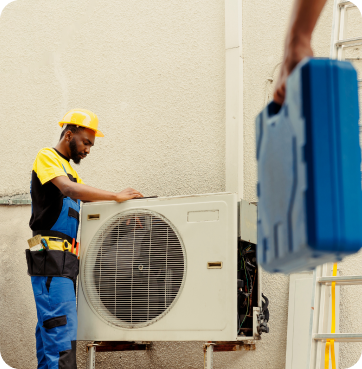
Evaporator and Condenser Coils
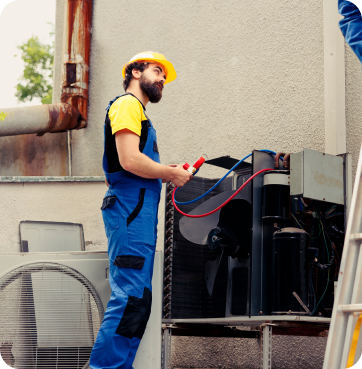
Fan Blades and Motors
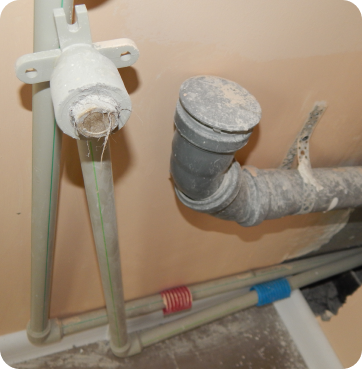
Condensate Drain Lines
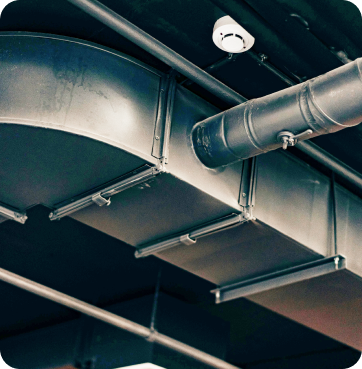
Ductwork
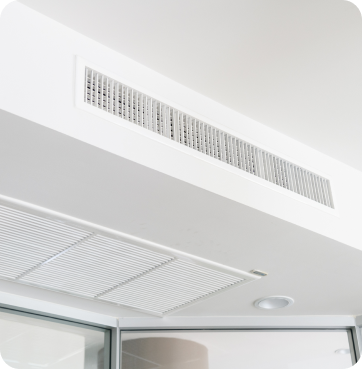
Grilles and Registers
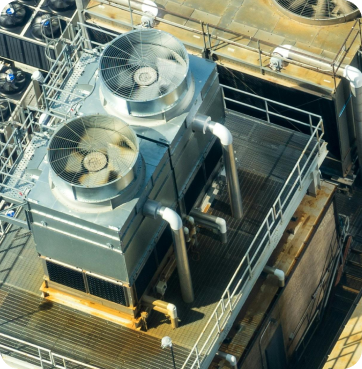
Refrigerant Lines
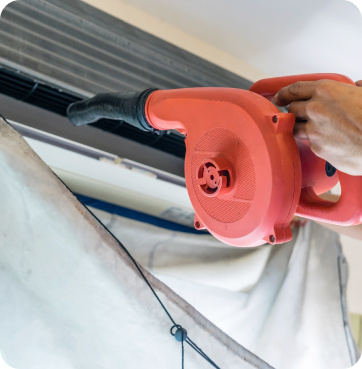
Outdoor & Indoor Units
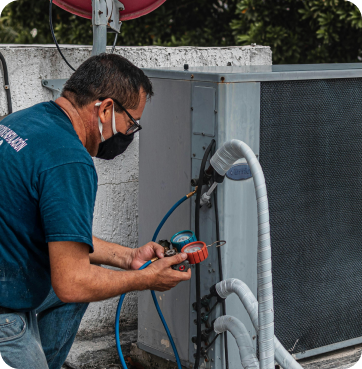
Thermostat

Refrigerant Leaks

Compressor Issues
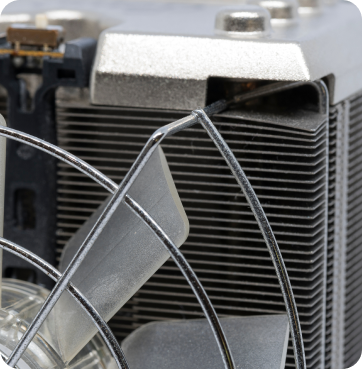
Fan Motor Problems

Thermostat Malfunctions
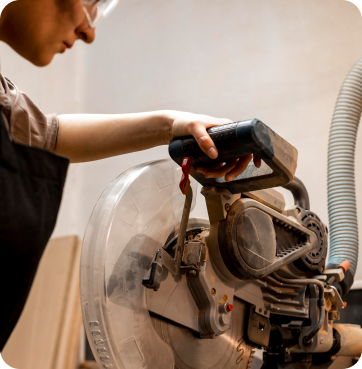
Blower Motor Issues

Capacitor Failures
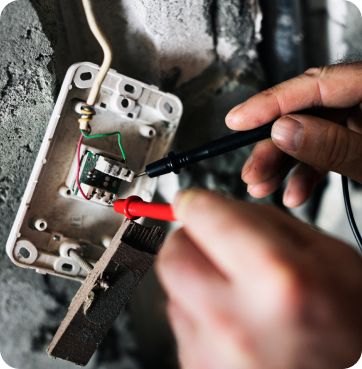
Electrical Problems
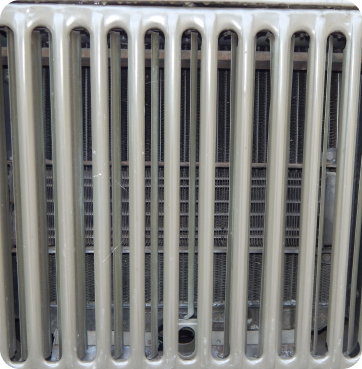
Condenser Coil Problems

Evaporator Coil Issues
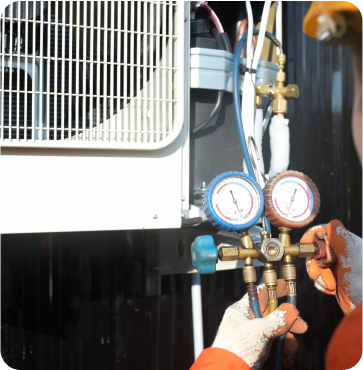
Expansion Valve Problems
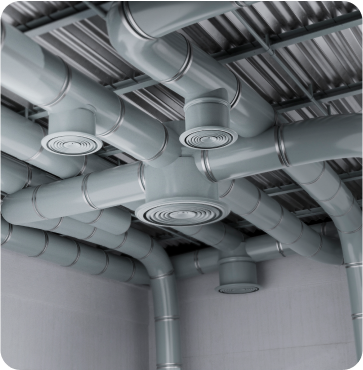
Ductwork Issues
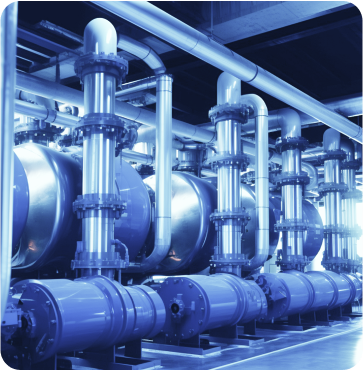
Heat Exchanger Problems
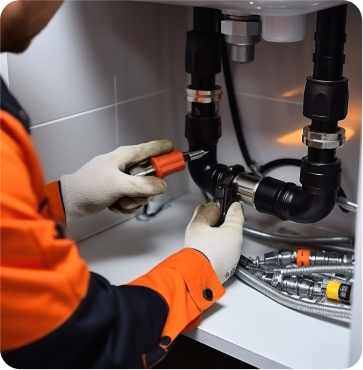
Water Leaks

Control Board Issues
Airflow Problems
HVAC Hauppauge NY: rooftop fleets, process cooling and a schedule that cannot slip
An HVAC Hauppauge call usually comes from a facility manager rather than a homeowner: a bank of rooftop units over a multi-tenant building, refrigeration a production run depends on, or a room full of equipment that has to hold temperature whether or not anybody is in the building.
One area, six kinds of building, and equipment with nothing in common
Hauppauge holds the largest industrial park on Long Island, and what makes it different for a contractor is that office, warehouse, production and laboratory space sit within a few blocks of each other.
Multi-tenant office
Several tenancies under one roof, with a landlord, a managing agent and an occupier who each own part of the problem.
Flex units
Office at the front and warehouse behind it, on one lease and very often on one thermostat that suits neither end.
Warehousing and distribution
Tall space, dock doors open through the shift, and working hours that run a long way past an office day.
Light industrial and manufacturing
Equipment that makes its own heat, and air that has to be taken out of the building and put back in equal measure.
Food production and commissary
Cold that is part of the process rather than a comfort, where a failure costs product and the orders behind it.
Laboratory and medical
Bands held tighter than any person needs, and boxes holding things that cannot be bought again.
A call from any of the six opens in the same place and goes somewhere different by the second question: what is on the roof, what the floor does, and what stops if it is off for a shift. The matcher further down takes each of them a good deal further.
Several units, one roof, and the order you replace them in
A building carrying a bank of packaged units has a different problem from a building carrying one, and it is not simply a larger version of the same problem.
Units that went up with the building age together. Similar run hours, similar coil condition, similar controls, so the one that failed this month is a fair description of the rest of them. That makes the useful question the order of replacement across the next few years, and the fault you are currently looking at is evidence toward it.
Walking the whole roof on a visit that is already happening produces what the decision needs: what each unit is, roughly how old, what refrigerant it holds, the state of the coils and the cabinet, and the kind of curb it sits on. With that written down, replacements can be spread across budget years and booked into the seasons where losing a unit for a day costs the least. Settling on one platform as they go in has a quieter benefit, because filters, belts and controls start matching each other instead of being a different order every time.
Setting equipment on an occupied building is a planning job before it is a lifting job. Crane time, a route across the lot, the hours the neighboring tenants are working, and permitting and inspection with whichever town or village holds jurisdiction at that address, which is established at the survey and never assumed. Off-hour installation is normal here for the obvious reason: most of these buildings cannot lose cooling during a shift. The sequence of an install day is set out on rooftop unit installation.
Pick what your building actually does
Seven kinds of facility in this park. For each one: the equipment it runs, what fails in it and what that failure stops, and the access problem that decides when anybody can get at it.
Seven facilities, seven different first questions
Every answer here is written from the equipment and the access, because those two decide how a call actually goes. None of it is a quote. What is standing on your roof or in your plant room settles that, and nobody has seen it yet.
Buildings in this park rarely fit one heading cleanly. A food producer has an office on the front of it and a lab has a server room behind it, so read the one that describes the part of the operation you are worried about, then read the one next to it.
Multi-tenant office building
Packaged rooftop units ducted down into the suites, commonly one per tenancy, with zoning inside the suite because meeting rooms, an open floor and a back office never want the same thing at once. Somewhere in most of these buildings there is also a small dedicated system on a comms or server room.
Economizer dampers and actuators, belts and bearings on the older cabinets, condensate pumps and pans sitting above a finished ceiling, and controls nobody ever commissioned. A suite losing cooling on a warm afternoon does not halt the tenant's work, but water finding its way through a ceiling tile onto a desk does, and it arrives as a property problem rather than an HVAC one.
The roof usually belongs to the landlord and the ceiling to the tenant. Roof work fits inside a normal working day because it never enters the suite; anything above a ceiling wants the room empty, which puts it early, late or on a quiet day.
Flex unit, office and warehouse
A rooftop unit or a split system over the office at the front, unit heaters or a duct furnace over the bay behind it, and very often a single thermostat in the office making the decision for both halves of the building.
The complaint is rarely a failed machine. It is the office system running itself into the ground trying to condition a bay it was never sized for, or the back half sitting at whatever the roof, the doors and the lighting leave it at. When the office system does give up, the administrative half of the business stops while the floor carries on, which is why these calls arrive later than they should.
The easiest kind of building in the park to work in during business hours, provided there is clear floor for a lift and somebody can say what has to move while it is standing there.
Warehouse or distribution
Unit heaters or duct furnaces hung high in the bay, supply and exhaust fans for the floor, and a rooftop unit or split system over the office and over any storage that has to be held at a temperature. What the heaters burn or draw is established at the survey rather than guessed from the address.
Heaters nobody has touched since the last cold snap, which choose the first genuinely cold morning to announce themselves. Heat that is all at the ceiling and none at the floor is a distribution fault, not a capacity one, and no amount of turning the thermostat up cures it. A bay that will not come up to temperature slows picking and packing, and where the stock itself is temperature sensitive it stops the shift outright.
Working hours are usually available, and the constraint is height. Reaching a heater at ceiling level means a lift, a clear aisle and a pause on whatever runs underneath it, so it gets planned with the floor supervisor and not around a diary.
Light manufacturing
Process exhaust over whatever produces heat, fume or dust, make-up air replacing what that exhaust takes out, heating for the space itself, and cooling over the office and any control room. Compressed air and process equipment add their own heat to a room that was rarely designed around it.
Exhaust and make-up air drifting apart. Take more air out of a building than you put back and it goes negative, and the floor notices it as a door that pulls hard or a haze that will not clear long before anyone calls it a ventilation fault. A process that cannot run in those conditions stops, and the machine everybody was watching was working perfectly the whole time.
Anything on the exhaust path takes the equipment under it out of service while the work happens, so the date belongs to the production calendar. Tell us which line can be down and for how long and the visit gets built to fit it.
Food production or commissary
Walk-in coolers and freezers, condensing units outside or on the roof, refrigerated prep space and reach-ins along the line, an ice machine, exhaust and make-up air over the cooking, and cooling over rooms that generate a great deal of their own heat.
A condenser breathing kitchen air until the coil packs solid, a defrost that has quit and let an evaporator ice over, a door gasket worked hundreds of times a shift. When a box starts climbing, what is at stake is product the business has already paid for plus the orders that were going to be filled from it, and the second of those is usually the larger number.
Refrigeration does not wait for a window. A box climbing goes to the front of the list at any hour of any day. Air-side work fits between production runs or after the last one, and that is booked rather than squeezed in.
Laboratory or medical
Systems asked to hold a tighter temperature and humidity band than comfort ever needs, dedicated cooling on instrument and equipment rooms, and refrigerators and freezers holding samples, reagents and stock.
Drift out of the band is the failure here, not a breakdown, which is why these are the buildings most likely to learn about a fault from a monitoring alarm at three in the morning. What a warm box takes with it is whatever was inside it, and a good deal of that cannot be bought again at any price.
Clean and controlled areas set the rules. Work that opens a ceiling or raises dust belongs outside working hours and gets agreed with whoever is responsible for the space before a date goes in the book.
Server or equipment room
A dedicated split system or ductless unit, sometimes a pair arranged so either one can carry the room alone, running every hour of the year because the load is the equipment rather than the weather outside.
Condensate, a tripped breaker, an outdoor unit standing close enough to a neighbor to be breathing its discharge air, or a room that has been carried by one machine since its partner failed months ago without anybody being told. The temperature climbs quickly once the cooling stops, and what goes with it is everything else the building runs on.
Getting into the room is the simple part. The hard part is that it can seldom be taken off cooling to be worked on, so the plan for how the room stays cold during the work is agreed before anyone opens a panel.
Some of this equipment is not there to make anybody comfortable
The work that matters most in this park sits on systems whose failure does not make a room unpleasant. It stops something.
Refrigeration as part of the process
In a commissary, a food producer or a laboratory, the cold is part of what the business makes rather than a convenience laid over the top of it. That changes the first question on the phone. On a comfort system it is how uncomfortable the room has become and for how long; here it is what the temperature is holding up, because that sets the order of the day and often decides how quickly a repair gets approved.
On any site carrying this equipment it is looked at first, whatever else is written on the work order. It is also the reason a mixed facility is better served by one contractor who works both sides than by two who each take half of it.
Cooling that runs when the building does not
Server rooms, comms closets and instrument rooms carry a load that has nothing to do with the weather. Their cooling works at night, at weekends and through the winter, at exactly the hours the building's own system is off and nobody is walking past the door to hear something wrong.
Two things follow from that. These rooms benefit more than any other part of the building from having somewhere to fall back to, and they are the rooms most often running on equipment nobody has looked at since the day it went in.
The person who calls is often not the person who owns the machine
A good share of this park is leased space, and the unit on the roof and the space underneath it frequently belong to different people.
None of that is a complication as long as it is settled early. Before a visit is booked, three answers move it along: who is authorizing the work, who controls roof access, and whether the machine that has failed is the one the caller is responsible for. Where a landlord owns the equipment and a tenant owns the complaint, having both names at the start is worth more than any amount of diagnosis, because it decides who gets told what was found.
Other tenants matter more here than they do on a building with one occupier. A crane standing on the lot, a truck across a loading bay or a noisy hour on a roof lands on businesses that did not call anybody and have their own shift to run. Giving them notice, through whoever manages the property, is the difference between a scheduled visit and an afternoon of complaints about a job that went perfectly well.
This park does not empty at five o'clock
Plenty of scheduling advice assumes a business shuts in the evening and stays shut. Buildings here run second shifts, weekend production and distribution operations that get busier once everyone else has gone home.
So the first thing worth establishing on a planned visit is not our availability. It is the hours your floor is genuinely quiet, which for one building is a narrow window on a Sunday and for the one next door is any weekday morning. Once that is on the table the work gets built around it, installations and larger replacements included, so the operation opens as normal on the far side of them.
Failures get no window at all. Emergency service runs 24/7, every day of the year, nights and holidays included, and typical on-site response is within 90 minutes. That figure is the same in Hauppauge as it is at the far end of the run, and it is not tuned to flatter the towns closest to the shop in Ronkonkoma. What sets the order on a busy night is what the failure has stopped: refrigeration and process cooling first, then rooms full of equipment, then comfort.
A fleet is bought as a program, not as a run of call-outs
Once a building carries more than a couple of machines, waiting to see which one fails next is the most expensive way to own them.
A maintenance agreement here earns its place for three separate reasons, and they are worth keeping apart because they are not the same promise. Some of it is corrected on the day: filters changed, coils washed, belts tensioned and aligned, drains and pans cleared, electrical connections checked, controls compared against what the space is actually being asked to do.
Some of it is found rather than fixed. A contactor with pitted points, a bearing beginning to make a noise, a compressor drawing more than it should, a coil quietly losing fins. Those come back to you as a list with a part and a price against each one, on a later visit and a separate invoice. That is the visit doing the job reactive work cannot, which is telling you about a failure before it picks its own moment.
And some of it cannot be prevented at all. Equipment has a service life, a control board can fail with no warning, a compressor can go on a unit that tested clean a month earlier. What planned work buys is fewer of those, an honest picture of what is standing on your roof, and a replacement plan whose dates are yours to choose. Commercial HVAC maintenance sets out what a visit covers.
The residential side, said plainly
Most of what we do in this town is commercial, and that is the honest description of this page rather than a modest one.
The houses on the streets around the park get the same trucks and the same technicians all the same. Central air conditioning installed and repaired, ductless heads where a duct will not go, gas and electric furnaces, boilers and heat pumps, and the seasonal tune-up that catches a tired capacitor in April instead of in the third week of July. What a system runs on is established at the survey rather than assumed from the address, and the sizing is done on the house in front of us rather than copied off the label on the old cabinet. The full picture on new and replacement cooling is on air conditioning.
The corridors this work sits on
Callers here place themselves by the road and the building rather than by a house number, and that works perfectly well.
The Long Island Expressway runs east and west through the middle of the town, Veterans Memorial Highway carries the southern side, Route 111 runs north and south across both of them, and Motor Parkway threads the park itself. Almost every commercial address we work at here is on one of those four or a short turn off it, which is the practical reason a truck can cover several buildings in a morning without crossing the town twice.
The same technicians cover the surrounding area on the same terms: Islandia, Nesconset, Commack and the Central Islip side, along with the rest of central Suffolk. Hauppauge is one of the closer towns to the shop in Ronkonkoma, which helps on a bad morning, though the response quoted is the same everywhere we go.
Fleets, shifts, access and who makes the call
We have several rooftop units. Do you look at all of them or only the one that failed?
The failed one first, because that is what you called about. The rest are quick to walk once somebody is up there anyway, and that walk is what turns a run of separate faults into a replacement plan you can put dates against.
Can the work happen outside our production hours?
Yes, and for planned work that is the normal arrangement rather than a favor. Give us the hours your floor is quiet, nights and weekends included, and the visit is built around them.
Our cooling is for equipment, not for people. Do you handle that?
Yes. Server rooms, instrument rooms and process cooling are on the work order like anything else, and cold storage in a production setting is the same conversation with different equipment.
We lease the space. Should the tenant call or the landlord?
Either, as long as we know which before the visit. The practical questions are who authorizes the work and who controls roof access. Where the equipment belongs to the landlord and the complaint belongs to the tenant, having both names at the start saves the trip that finds this out at the door.
How fast can somebody be here when something goes down?
Typically on site within 90 minutes. That is the figure quoted for every town covered rather than one tuned for the towns nearest the shop, and emergency calls run every day of the year, nights and holidays included.
Tell us the building and what has stopped
What the facility does, what is standing on the roof or in the plant room, and what the failure is holding up. That is usually enough for us to say what has probably gone, what a visit involves and when somebody can be there.