

Air Filters
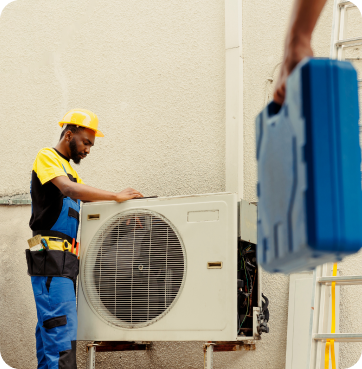
Evaporator and Condenser Coils
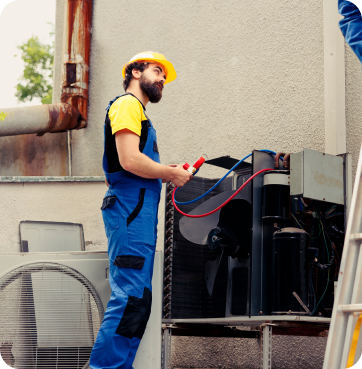
Fan Blades and Motors
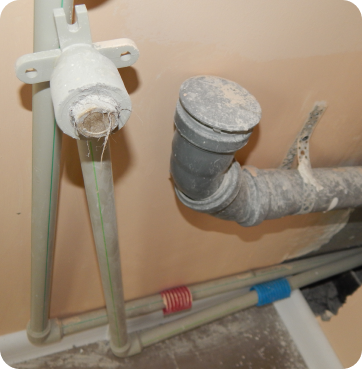
Condensate Drain Lines
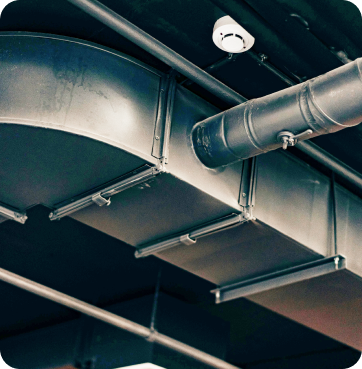
Ductwork
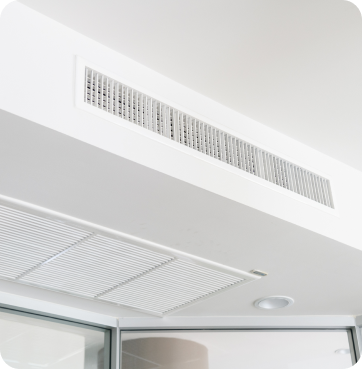
Grilles and Registers
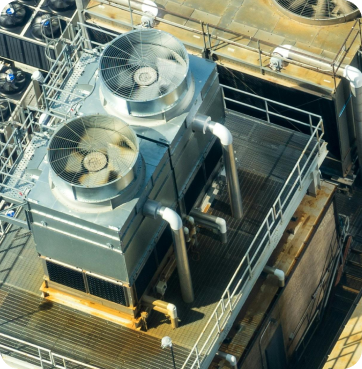
Refrigerant Lines
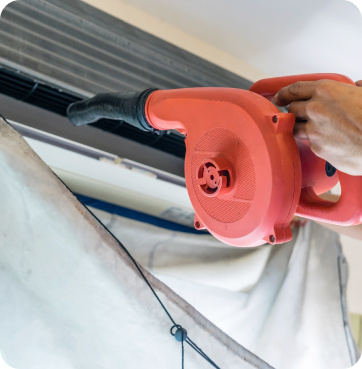
Outdoor & Indoor Units
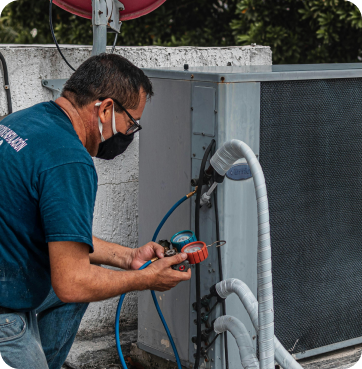
Thermostat
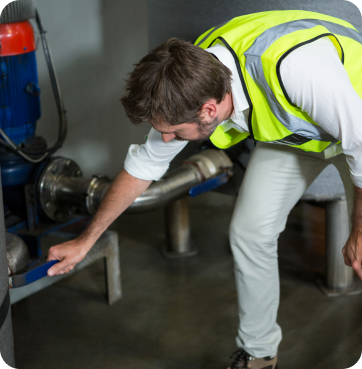
Refrigerant Leaks
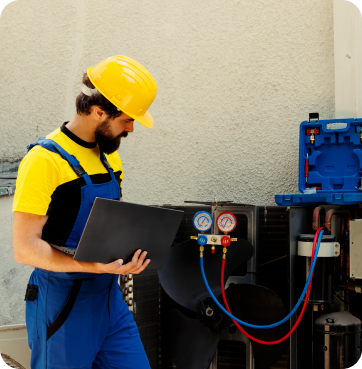
Compressor Issues
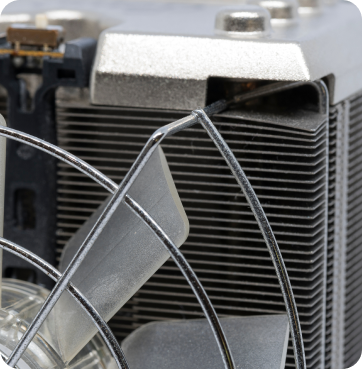
Fan Motor Problems

Thermostat Malfunctions

Blower Motor Issues

Capacitor Failures
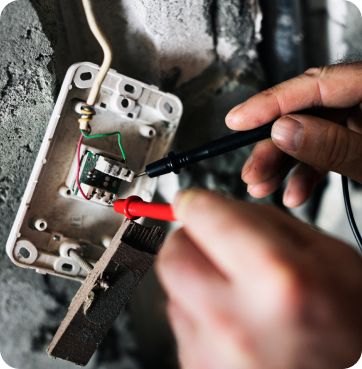
Electrical Problems
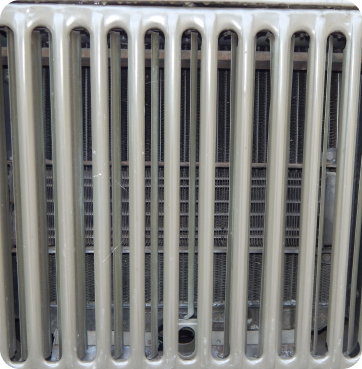
Condenser Coil Problems

Evaporator Coil Issues
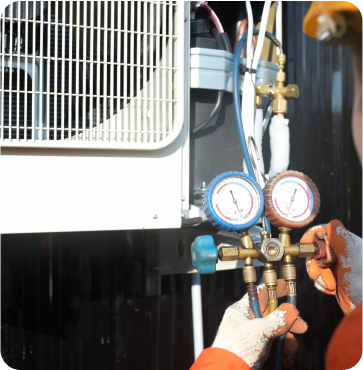
Expansion Valve Problems
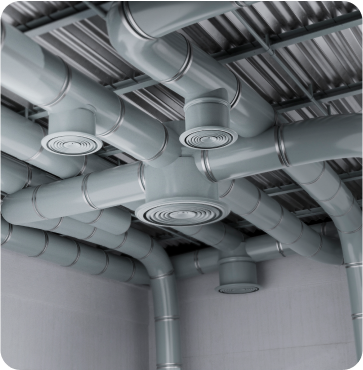
Ductwork Issues
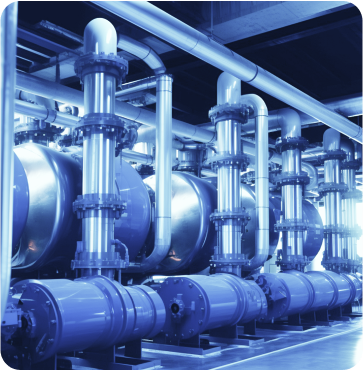
Heat Exchanger Problems
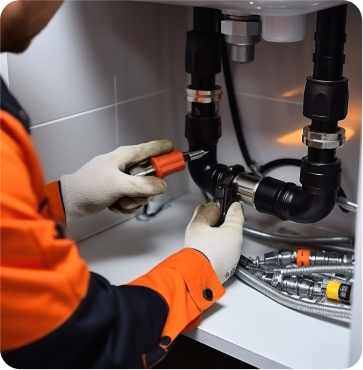
Water Leaks

Control Board Issues
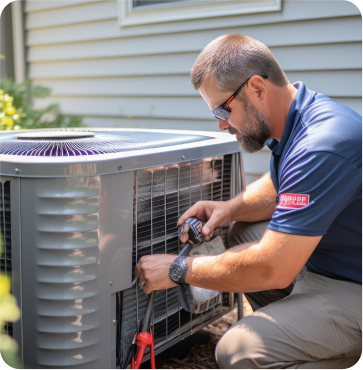
Airflow Problems
HVAC Riverhead NY: cold storage that has to pull product down and hold it
An HVAC Riverhead call is as often about a cold room as it is about comfort. Out at the head of the Peconic a good share of the refrigeration is holding food grown close by, in quantity and in season, and the box it sits in is the part of the building the business cannot work without.
Four kinds of cold storage, and none of them work the box the same way
Grocery and agricultural cold storage is the shape of the commercial work on this end of the county, and the demand each of them puts on a refrigeration system is genuinely different.
Farm and field storage
Product arrives in quantity, over a short stretch of the year, and often warm from where it was picked. A box asked to take that in one go is doing something it may not do again until the same week next year.
Grocery and food retail
Walk-ins and freezers behind the store absorbing every delivery, cases out front holding what sells the same day. The work is constant rather than seasonal, and the doors never stop moving.
Food production and packing
Cold rooms worked hard through a run and quiet between runs, with people and equipment adding heat to the space while the doors stand open more than anybody would like.
Restaurants, delis and farm stands
Smaller boxes and reach-ins with heavy door traffic and a summer that decides the year. Equipment that coped in April is the equipment that has to cope in August.
Pulling product down and holding it are two different jobs
A cooler that holds a full room perfectly can be the same cooler that cannot cope with the morning a crop arrives, and nothing about it has failed.
Holding is the easier of the two. The system replaces heat that leaks in through panels and the floor, plus what comes through the door, off the lights and off the people working in there. That load is fairly steady and a box gets sized around it, which is why a full room sits quietly and the compressor cycles.
Pulling down is a different problem. Every pallet that comes in carries its own heat, and all of it has to be taken out through the same coil, on top of everything the box was already doing. Warm product put in fast is a load that arrives all at once, and the system has no way to spread it.
On the floor that shows up as a box running without ever satisfying, a coil frosting faster than the defrost can clear it, and product already in the room drifting while the new load comes down. Staff read it as a breakdown. Usually it is a capacity question showing itself on the one day of the year that asks it.
Three things move the needle, and only one of them costs money. Bring warm product in staged instead of all at once, so the box gets a load it can absorb. Leave air paths between pallets and away from the wall so the coil can actually reach the middle of the stack, because air that cannot get to product does no cooling. And where a large seasonal intake is the real design case, say so before a system is specified, since pull-down capacity is decided at installation and is awkward and expensive to add to a box already built.
Pick what you are holding and how it arrives
Five situations, each with a different demand on the system. For each one: what it asks of the equipment, what tends to go wrong, what is worth watching, and where the detail lives.
Five situations, five different first questions
None of this is a temperature or a holding time. What your product has to be held at is set by the New York State Sanitary Code and by whoever inspects you, and it is measured in the food rather than in the air, so those numbers belong to your operation. What we can be useful about is whether the system in your building can do what you are asking of it, and which part of it gives up first when you ask for more.
A big seasonal intake, arriving warm
Capacity to remove the heat that came in with the product as well as the heat that leaks through the walls, and air movement that reaches the inside of a stacked load. Pull-down is the design case here, and holding is the easy part that follows it.
The system runs without ever cycling and the room still climbs. The coil frosts faster than the defrost clears it, so capacity falls at the moment it is needed most. Pallets pushed tight together and hard against the wall leave the center of the load with no air at all.
Whether the system ever satisfies during intake, how heavy the frost is on the face of the coil, and whether a defrost cycle finishes with the coil actually clear. Product at the middle of a pallet lagging behind the outside is an airflow answer, not a thermostat one.
If the box was struggling before the season started, the problem is not the intake. A cooler that has lost capacity gradually gives itself away in run time long before it gives itself away in temperature.
Day to day grocery holding
Steady work, not peak work, with doors opened all day and cases that have to stay open to customers. Recovery after each delivery matters more than raw capacity.
Door gaskets and closers past their best, condenser coils fouled by dust and cardboard, defrost schedules that stopped matching the store years ago, and stock stacked over the evaporator so it blows into a wall of boxes.
Warm spots in one part of a run while the rest of it holds, water on the floor near a case, and a box that takes visibly longer to recover after a delivery than it did last year.
Open cases live on their air curtain, so anything that disturbs store air disturbs them. Cases warming across several departments at once is a different conversation from one case warming on its own.
A freezer store
The hardest continuous duty in the building, and a defrost strategy that has to work every single cycle. A freezer has no tolerance for a defrost that half works, because what it leaves behind accumulates.
Iced coils, defrost heaters that have failed quietly, drain lines and traps that freeze and back water into the room, door sweeps and frames that stop sealing, and a doorway that builds ice every time warm damp air is let in.
Where the frost is. An even light coat is normal and a heavy block on one part of the coil is not. Ice on the floor at the threshold, or a door that has to be pulled hard, are both telling you the same thing about the seal.
Frost patterns are the most readable diagnostic in refrigeration and cost nothing to look at. Photograph the coil before anybody defrosts it by hand, because that picture is often the whole diagnosis.
A mixed cooler, several products in one box
One holding condition serving items that do not all want the same one, and airflow even enough that every corner of the room is genuinely at that condition rather than close to it.
The room gets set for whatever complained last. Product stacked against the evaporator short circuits the coil, so it draws its own discharge air back in and reads the room as colder than it is while the far end drifts.
Readings taken in more than one place. A single probe near the coil says very little about the far corner, and the gap between the two is the number that tells you whether the box is working or the sensor is flattering it.
Which products store well beside each other is a question for whoever handles your product, not for a refrigeration contractor. What the box can hold, and how evenly, is ours.
Deliveries in and out all day
Recovery, over and over. The box has to give back what each delivery took out of it before the next one arrives, and the margin it has for that is the margin it has for everything else.
Doors held open through a whole delivery, product staged in the doorway, and a system already short of capacity that never quite catches up between one load and the next. It looks fine on a quiet week and fails on a busy one.
Not the temperature, but the time. How long the room takes to come back after a delivery, and whether that is longer this month than it was last month. Rising recovery time is the earliest honest warning a box gives.
This is the situation planned service is best at catching, because the fault is a trend and not an event and a trend is only visible to somebody who saw the box last time.
What your equipment can actually do is read off the equipment, on site. Nothing here is a diagnosis of your box.
Refrigeration bought for a few weeks and owned for a year
A restaurant cooler does roughly the same work in March as it does in September. A room built around a harvest does not, and almost everything else follows from that.
Equipment sized for a peak spends most of the year loafing, and a system that is loafing hides its faults well. A condenser fan drawing more than it should, a compressor slowly losing capacity, a defrost that stopped terminating properly: none of it shows while the room is half empty and the weather is cool. The season arrives, the load arrives with it, and the fault that has been there since spring picks that week to matter.
The same shape decides when a failure hurts. Losing a box in a quiet month costs a repair. Losing it with the room full, at the point in the year when the product cannot simply be moved somewhere else and there is nowhere else within reach that has space, costs the repair plus everything in there. The gap between those two numbers is the argument for looking at the plant before the season rather than during it.
It also decides when work should happen. Most businesses cannot name a good week for a replacement. An operation with a season can, months ahead, and that is the whole advantage a seasonal business has here: prove the plant under load before the intake starts, and put anything larger into the quiet part of the year.
Food retail, from the back door rather than the sales floor
A store is judged on its cases, and served through its receiving cooler. The holding side is where most of the trouble starts and where the least attention goes.
How a supermarket is piped together, why several departments sit on one bank of compressors, and how a fault in the machine room turns up as a warm lineup in an aisle, is set out in full on grocery store refrigeration. This page is about the other half of the job, which is getting product to temperature and keeping it there.
Receiving coolers take the whole day's deliveries and they take them in a hurry. Doors propped through an unload, pallets knocked into panels and door frames, cartons stacked in front of the evaporator because that is where the space was. Each of those is a capacity problem wearing a housekeeping costume, and each is cheap to correct next to the call that follows it.
Smaller food retail out here is a different animal again, because much of it runs on self contained boxes and condensing units instead of a shared system. That cuts both ways. A fault stays put instead of spreading, so one failure is one box. But there is no bank of compressors carrying the load either, so when a unit stops, the room it serves has nothing standing behind it and the clock starts immediately.
What monitoring is actually buying you overnight
A box that fails at nine at night in a working kitchen gets noticed within minutes. The same failure in a closed packing room or a locked storage building gets noticed at seven the next morning.
Monitoring holds no temperature and repairs nothing. What it buys is time, which is the only variable in a refrigeration failure anybody can still change once it has started. Every hour a warm box goes unreported comes straight off the window in which product could still have been moved.
Three questions decide whether a monitor earns its keep. Where the sensor sits, because a probe in the return air beside the coil and a probe among the product tell two different stories and only one of them is about the food. What triggers an alarm and how long a deviation has to last first, so a normal defrost is not reported as a failure and staff do not learn to ignore the thing. And who receives it at that hour, with a second name behind them when the first does not answer.
The last one is where most setups quietly fail. An alarm at two in the morning is worth having only if there is a plan for two in the morning: somebody who can get to the site, a decision already made about where product would go, and a number that gets answered. Ours is answered every day of the year, which is the part of this we can promise.
The far end of the run, said honestly
Riverhead is the eastern end of the daily run from the shop in Ronkonkoma. That changes nothing about what is quoted and quite a lot about what planning is worth.
Emergency service runs 24/7, every day of the year, nights and holidays included, and typical on-site response is within 90 minutes. That figure is the same here as it is two streets from the shop. It is not tuned to flatter the towns nearest home and there is no separate number for the East End.
What is different is the value of not needing it. The cost of a wait is the same wherever the building is, but out here the product in the box is more often the thing the business sells, not a week of stock that can be reordered on Monday. That is what makes the case for planned work stronger in Riverhead than it is generally.
Repairs that happen while the technician is standing there
Condenser coils cleaned, drains and pans cleared, door gaskets and closers adjusted, defrost timing and termination checked against what the box is really doing, electrical connections tightened, refrigerant charge confirmed rather than assumed.
The part of the visit that is a list, not a repair
A compressor pulling more current than it should, a contactor with pitted points, a fan motor starting to sound wrong, a coil losing fins, a leak that needs finding properly. Those come back with a part and a price against each, on a later visit and a separate invoice.
What no amount of servicing heads off
Equipment has a service life. A control board fails with no warning. A compressor goes on a system that tested clean a month earlier. Planned work buys fewer of these and an honest picture of what you own, and it never buys none of them. Emergency refrigeration repair
Where the trucks go once the expressway runs out
Callers here place themselves by the road and the building rather than by a house number, and that works perfectly well for us.
The Long Island Expressway ends in Riverhead, which is a fair description of where this town sits on the run. Route 58 carries most of the retail and commercial addresses, Route 25 runs through the middle as Main Road and then east along the North Fork, Sound Avenue heads east on the north side through the farm country, and Route 24 runs south toward Flanders and Hampton Bays. From here the North Fork sits on one side of the Peconic and the South Fork on the other, so both shores are reachable on the same trip out.
Houses here get the same trucks and the same technicians. Central air conditioning, ductless heads where a duct will not go, gas and electric furnaces, boilers, heat pumps, and the spring tune-up that catches a tired capacitor in April instead of the third week of July. Sizing is worked out on the house in front of us, and what the system runs on is established at the survey rather than assumed from the address. The full picture on new and replacement cooling is on air conditioning.
Intake, overnight cover and the distance
We take in a lot of product at once in season. Will our cooler cope?
That depends on whether it was sized to pull down or only to hold, and those are not the same specification. A room that holds a full load without effort can still be beaten by a warm load arriving in one morning. Staging the intake and leaving air paths through the stack helps immediately and costs nothing. If the intake is the real design case, it belongs in the conversation before a system is quoted.
There is nobody on site overnight. What happens if a box fails at two in the morning?
The call is answered and a technician is dispatched, every day of the year, with typical on-site response inside 90 minutes. The part worth sorting out in advance is how you find out at all, because a failure discovered at seven the next morning has already cost you the night.
We are at the eastern end of the county. Is the service any different out here?
No. Same crew, same equipment on the truck, same response figure, same maintenance agreements. Riverhead is the far end of the run and that is stated plainly and not dressed up, because the honest consequence is not a slower promise, it is that planning ahead pays back more out here than it does close to the shop.
Somebody else installed our refrigeration. Will you take it on?
Yes, and most of the work is exactly that. Our technicians are trained and factory qualified on the major refrigeration and HVAC brands, and the first visit usually goes into establishing what is actually in the building, because knowing that makes every visit after it faster.
Do you cover the HVAC side as well, or only refrigeration?
Both, and on many of these sites they are the same visit. Rooftop units and split systems over offices, sales floors and packing areas, ventilation and exhaust where there is cooking or processing, heating through the winter, and the cold storage alongside all of it.
Tell us what is in the box and what it is doing
What the room holds, how the product arrives, and what the temperature or the run time has been doing. That is usually enough for us to say what has probably gone, what a visit involves, and when somebody can be there.